Z Curve MCB
Trips at 2–3x rated current. Ultra-sensitive protection for semiconductors and sensitive electronics.
Explore Z Curve MCB →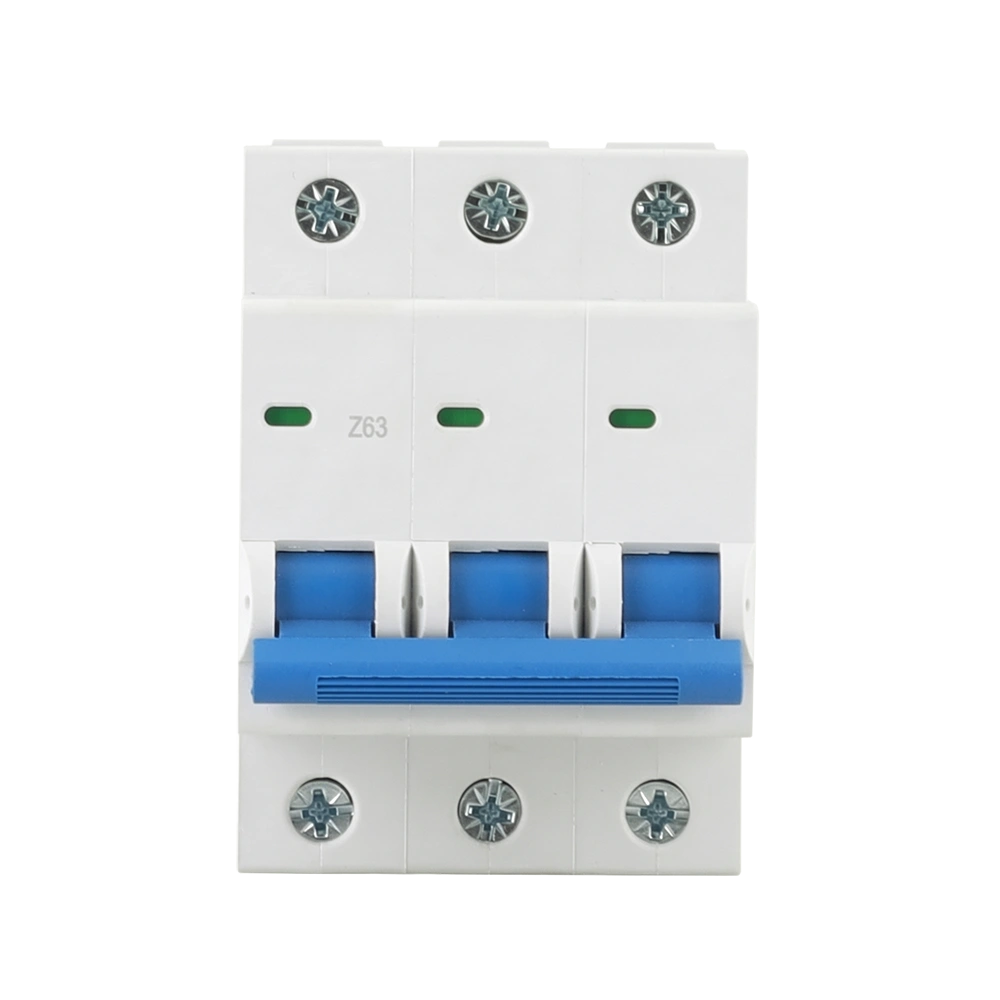

If you’re looking for MCBs for a project, you already know the specs matter. What makes the difference is whether your supplier actually delivers what they promise — on time, to spec, without surprises.
At Licen, that’s what we do. We make miniature circuit breakers that meet real-world demands, and we keep the process simple so you can focus on your work, not on chasing orders.
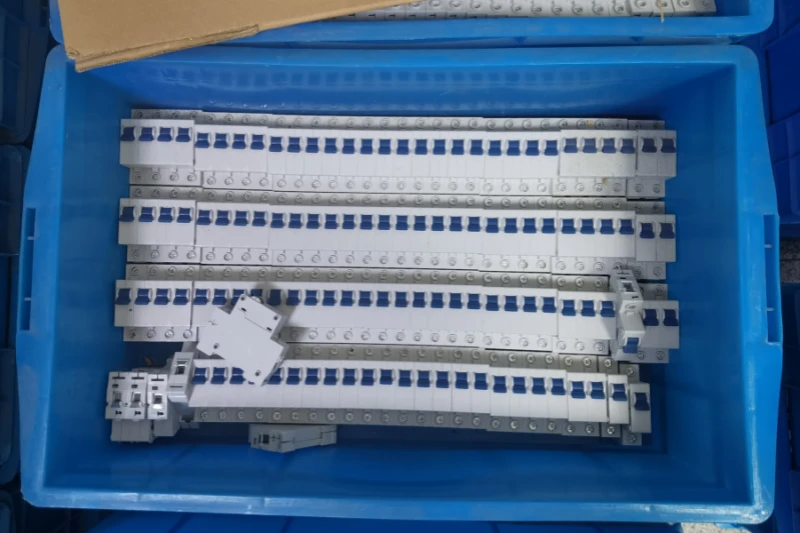
Different projects call for different MCBs. Use the tabs below to explore the options by type and find the one that matches your requirements.
Trips at 2–3x rated current. Ultra-sensitive protection for semiconductors and sensitive electronics.
Explore Z Curve MCB →Trips at 3–5x rated current. Ideal for lighting circuits, domestic sockets, and resistive loads.
Explore B Curve MCB →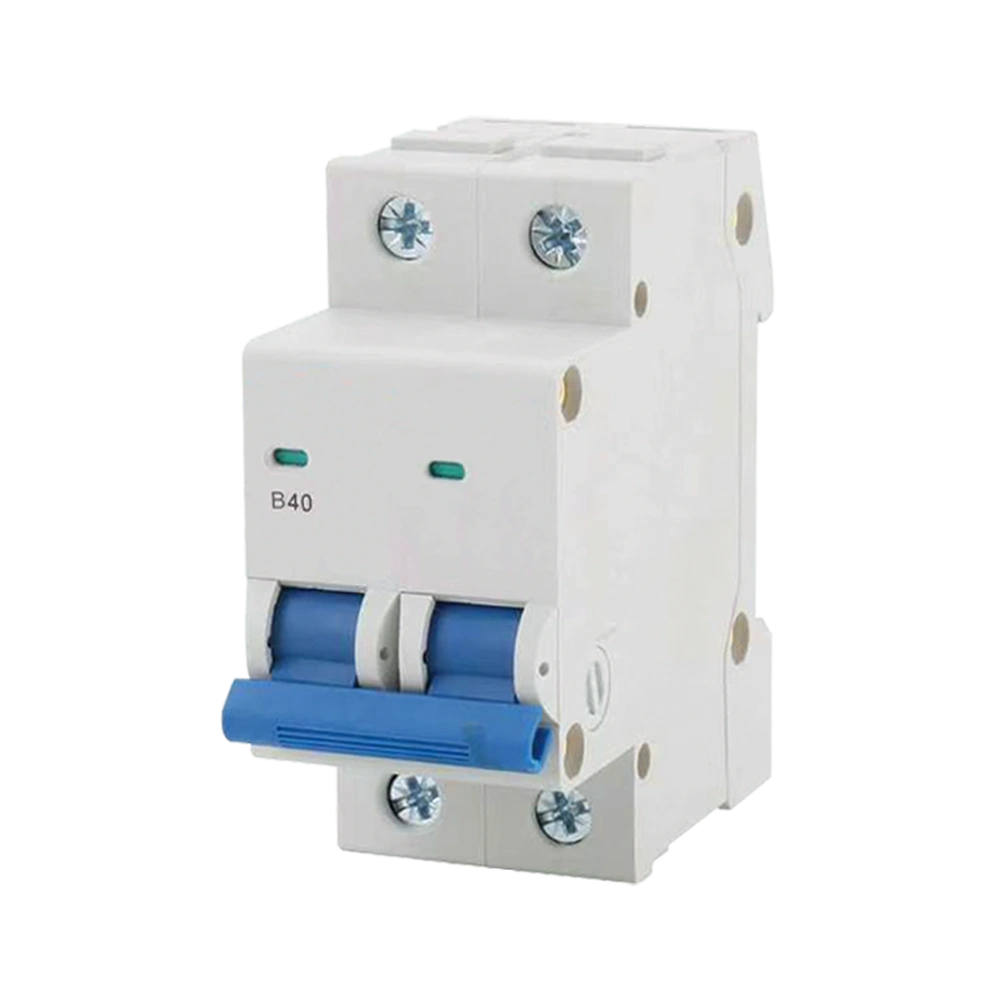
Trips at 5–10x rated current. The standard choice for commercial circuits, motors, fans, and transformers.
Explore C Curve MCB →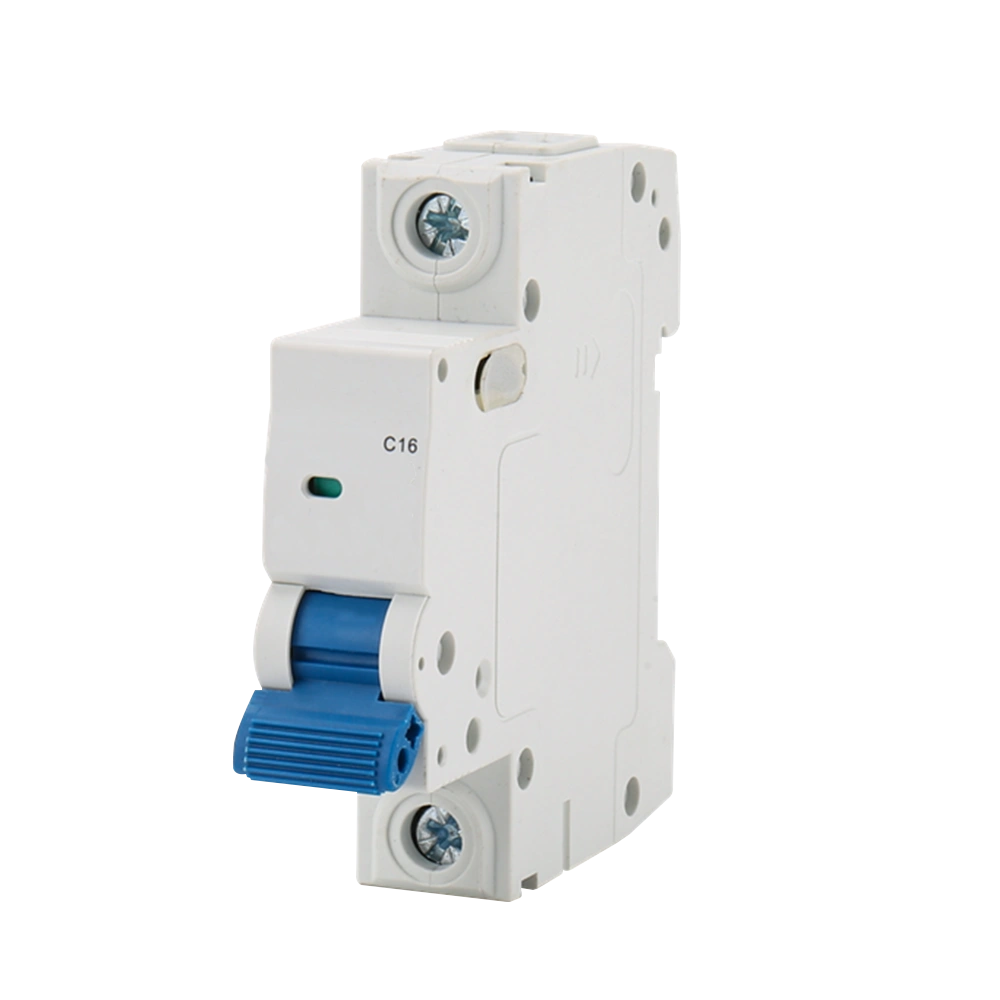
Trips at 10–14x rated current. Specialized for inductive loads with frequent switching — hoists, lifts, and conveyors.
Explore K Curve MCB →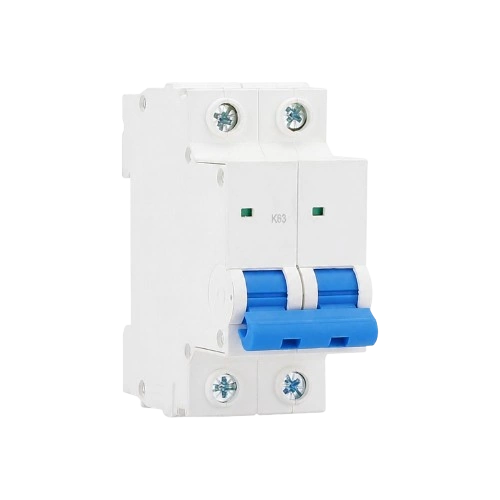
Trips at 10–20x rated current. Designed for heavy industrial equipment with high startup surges.
Explore D Curve MCB →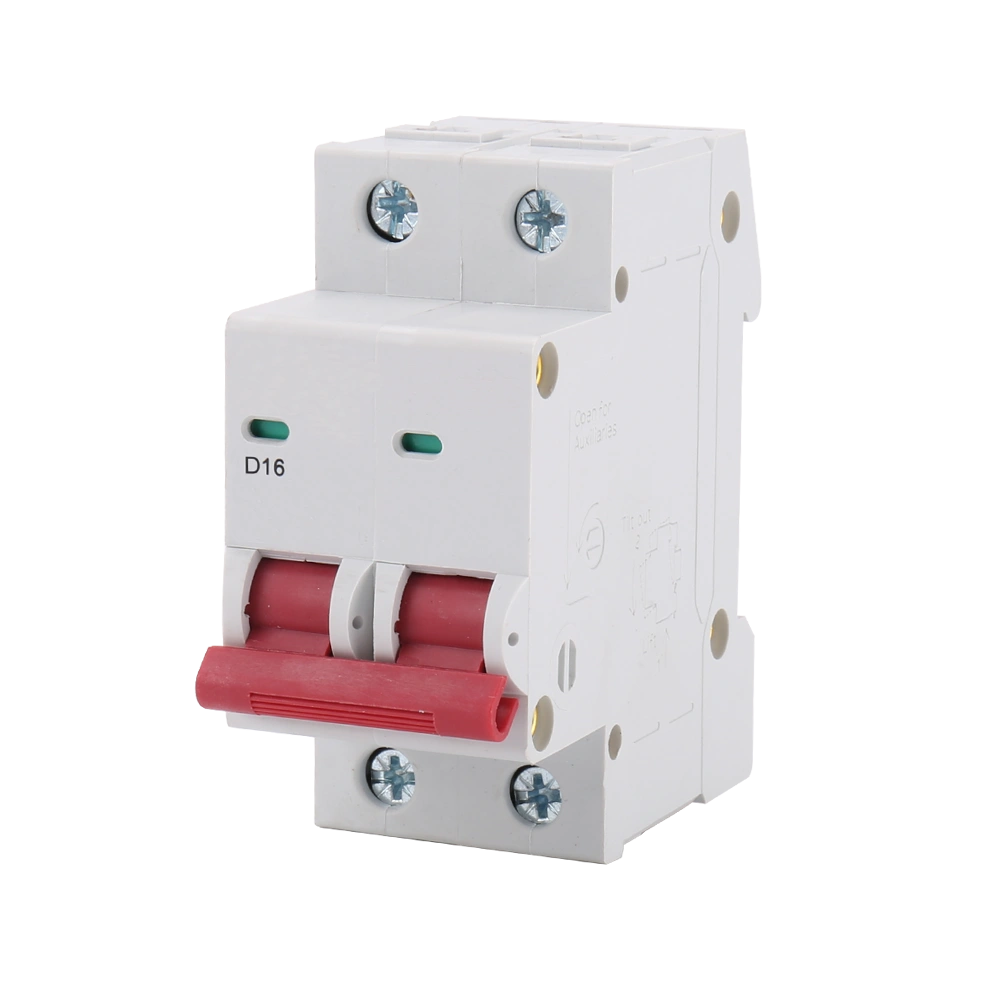
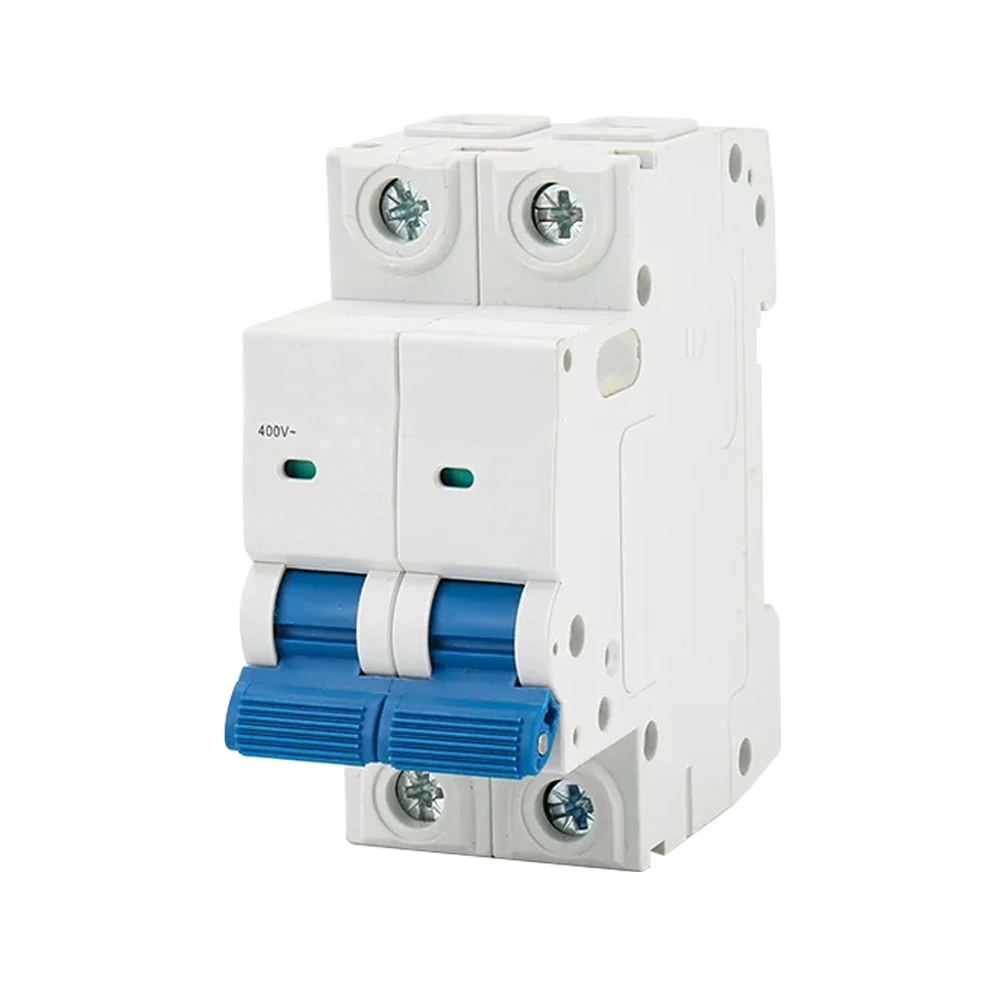
When we talk about miniature circuit breakers, we’re typically referring to AC MCBs — the industry standard for 50/60Hz systems.
Available in 1P, 2P, 3P, and 4P configurations up to 125A. Suitable for residential, commercial, and industrial distribution boards. Provides overload and short-circuit protection for AC circuits.
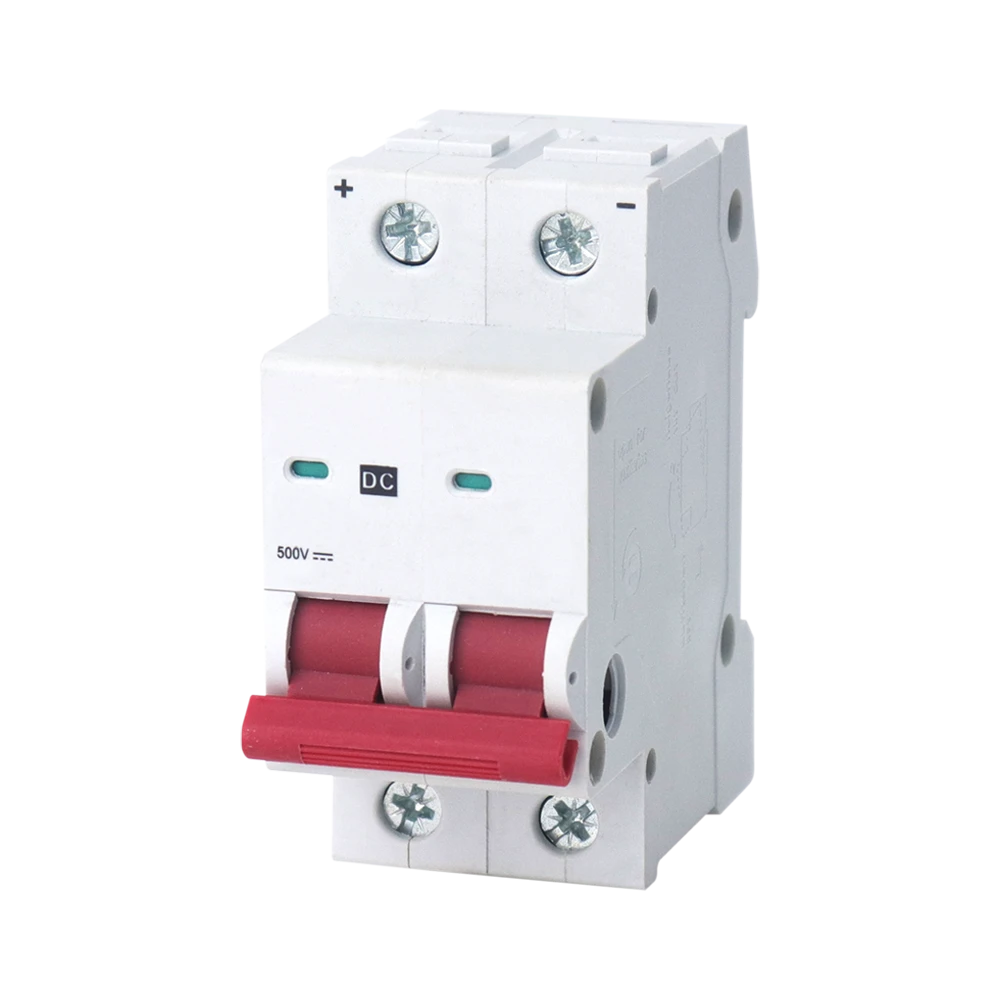
DC miniature circuit breakers are engineered specifically for direct current applications where AC MCBs cannot be used.
Purpose-built for solar PV systems, battery storage, EV charging, and DC power supplies. Rated up to 1500V DC with polarity markings (+/−) for correct installation.
For control circuits, signaling, instrumentation, and other low-current auxiliary applications where you want a little extra precision in protection.
Handles lighting, general branch circuits, and standard wall sockets — the bread and butter of most residential and light commercial work.
For dedicated outlets running things like ovens or air conditioning units, plus medium-load branches that a 16A circuit just won't cut.
The workhorses — main incoming switches or sub-distribution feeders in smaller commercial and residential panels.
For heavier distribution and large loads. Worth noting: once you go above 80A, you're typically looking at MCCBs rather than MCBs in most panel designs.
Single-pole protection for lighting and low-power circuits. Protects the live wire only — neutral remains permanently connected. A standard 1P breaks live only, which means the neutral can remain live during maintenance and pose a safety risk.
Best for: Residential lighting, general sockets, low-power equipment.

Single-pole protection with neutral switching. The live wire has full overload and short-circuit protection. The neutral only switches on/off with the live — it has no protection capability of its own. Compared to standard 1P, the advantage is that it breaks both live and neutral simultaneously, making maintenance safer. Same 18mm width as 1P.
Best for: Residential lighting circuits, general socket circuits — a safety upgrade from 1P.
Double-pole protection with full protection on both live and neutral. Unlike 1P+N, the neutral in a 2P MCB has its own independent overload and short-circuit protection — not just switching. Both poles trip simultaneously for complete isolation.
Best for: Main incomer, air conditioners, kitchen outlets, water heaters — any heavy-load circuit.
Three-pole protection for three-phase loads. Protects all three live wires (L1, L2, L3) — neutral does not pass through the breaker. All three poles trip together if any phase faults.
Best for: Three-phase motors, industrial pumps, central AC units, small factory panels.
Three-pole protection with neutral switching. Three live poles have full protection. Neutral switches on/off with the lives but has no protection capability — switched neutral only. Key difference from 4P: neutral is a switch, not a protected pole.
Best for: ATS front-end isolation, main incoming isolators in three-phase boards where neutral protection is not required.
Full four-pole protection — both live and neutral have independent overload and short-circuit protection. Any fault on any pole trips all four simultaneously. The neutral receives the same level of protection as the live poles — this is the essential difference from 3P+N.
Best for: TT earthing systems, healthcare/data center distribution, and any critical circuit where neutral protection matters.
In addition to supplying finished MCBs, we also provide SKD/CKD components for customers who want to assemble or produce MCBs locally, based on their product and production needs.
We also provide support for assembly, testing equipment, quality control, and technical instructions to help you set up and run your MCB production line.

An MCB is a protective device that monitors the current flowing through a circuit and disconnects it when the current exceeds a safe level. It helps prevent damage to wiring and equipment from overloads or short circuits.
You’ll find MCBs in residential distribution boards, commercial panels, and industrial control cabinets. They’re a standard part of any low-voltage electrical installation, and they come in a range of types to suit different applications — which we covered in the section above.
One core advantage over fuses: when an MCB trips, you can simply reset it. No replacement needed, which means less downtime and fewer spare parts to keep on hand.
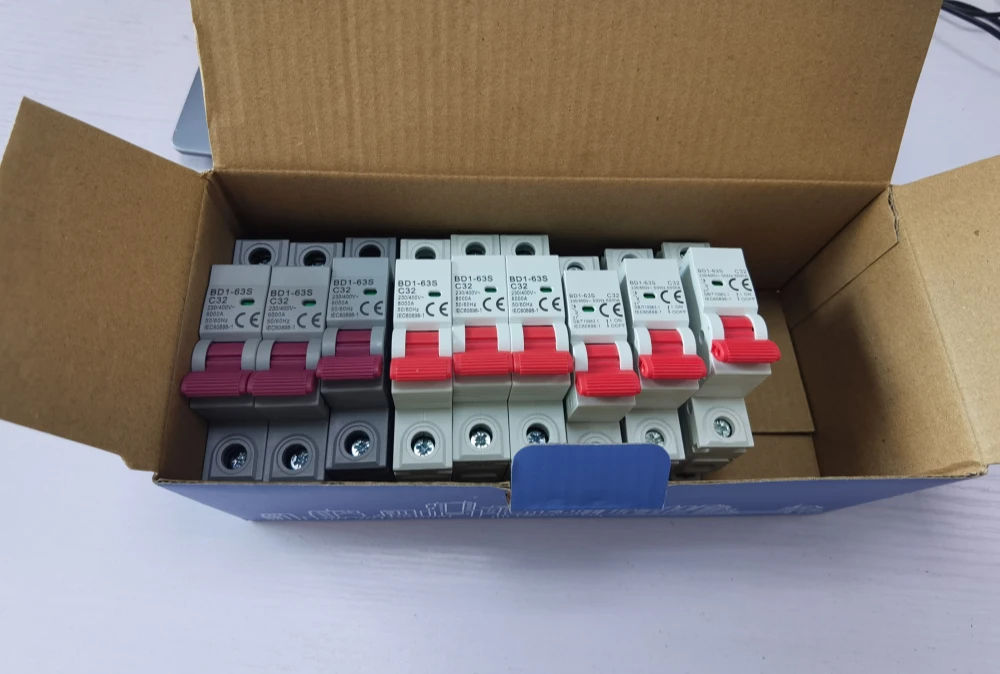
Think of an MCB as more than just a trip switch. In a well-designed electrical system, it plays a few different roles — all of which contribute to keeping things safe, stable, and easy to manage.
When current exceeds the rated level — whether from an overload or a short circuit — the MCB disconnects the circuit. This helps protect the wiring and any equipment connected downstream.
For this to work reliably, the MCB’s breaking capacity needs to be suitable for the potential fault current at the installation point. Choose one that’s rated appropriately, and it will handle the fault safely when it occurs.
An MCB doesn’t work in isolation. It sits within a network of protection devices, and when a fault happens, the goal is for the right device to trip — not everything upstream.
Proper coordination means the MCB closest to the fault opens first, isolating the problem while keeping the rest of the system running. It reduces unnecessary downtime and makes troubleshooting easier for your team on site every time.
An MCB doesn’t warn you before a fault occurs, but its behaviour can tell you a lot. Frequent tripping, for example, may point to an overloaded circuit or a recurring issue that needs attention.
Unusual heat or repeated trips after resetting are worth investigating. Catching these signs early helps you maintain a reliable system and avoid bigger problems later on in the process down the line.
To help you better understand how different MCB trip curves work, we've put together this interactive tool. Toggle any curve, drag the slider, or click on the chart — the trip time updates instantly.
MCBs are a standard part of most electrical installations, but they're not the right fit for every situation. Here's a balanced look at what they do well and where you need to be careful.
When current exceeds the safe level, the MCB disconnects the circuit automatically. This protects your wiring and equipment from damage — before it happens.
A tripped MCB can be reset once the fault is cleared. No replacement needed, unlike fuses. That means less downtime and fewer spare parts to keep in stock.
MCBs react quickly to short circuits and severe overloads. The faster the response, the less chance of damage to cables, components, or connected equipment.
MCBs take up very little room in a distribution board. You can fit multiple circuits in a compact space, which matters when panel space is tight.
Available in different pole configurations, trip curves, and current ratings. Whether it's a home, a shop, or a factory, there's an MCB designed for the job.
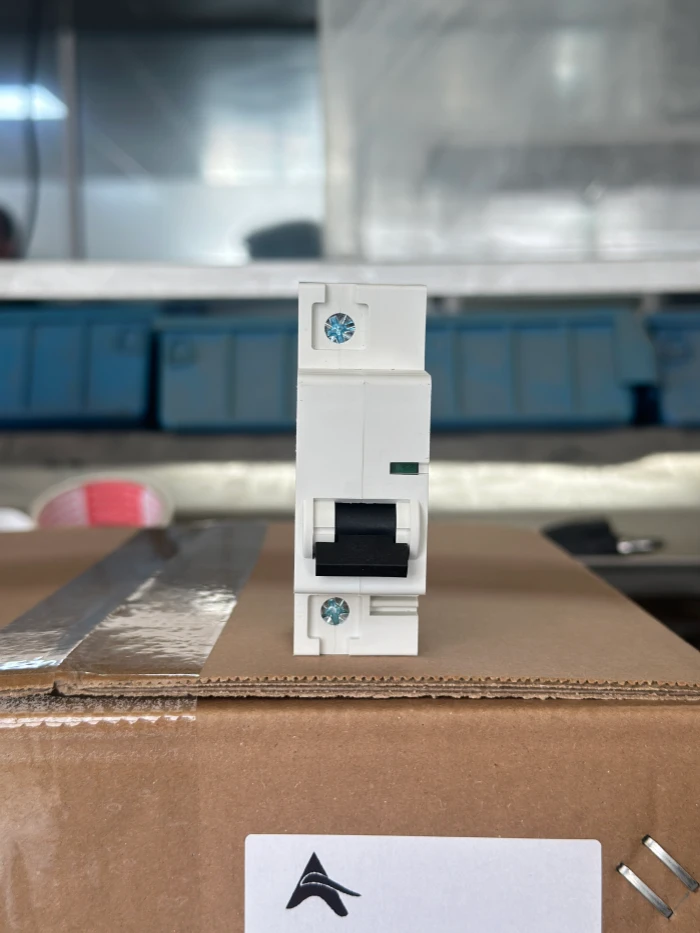
MCBs are designed for lower-current circuits — typically up to 125A. For heavier loads, you'll need a MCCB or other protection device.
Every MCB has a maximum fault current it can safely interrupt. If the prospective short-circuit current at your installation point exceeds that rating, the MCB may not provide adequate protection.
An MCB responds to overloads and short circuits. It does not protect against earth leakage, voltage fluctuations, or other electrical issues — those require additional devices.
Choosing the right MCB isn't just about the amp rating. Voltage, poles, breaking capacity, trip curve, and coordination with other devices all need to be considered.
Some equipment draws a high inrush current when starting up — motors, compressors, and transformers, for example. If the MCB isn't properly selected for the application, it may trip unnecessarily.
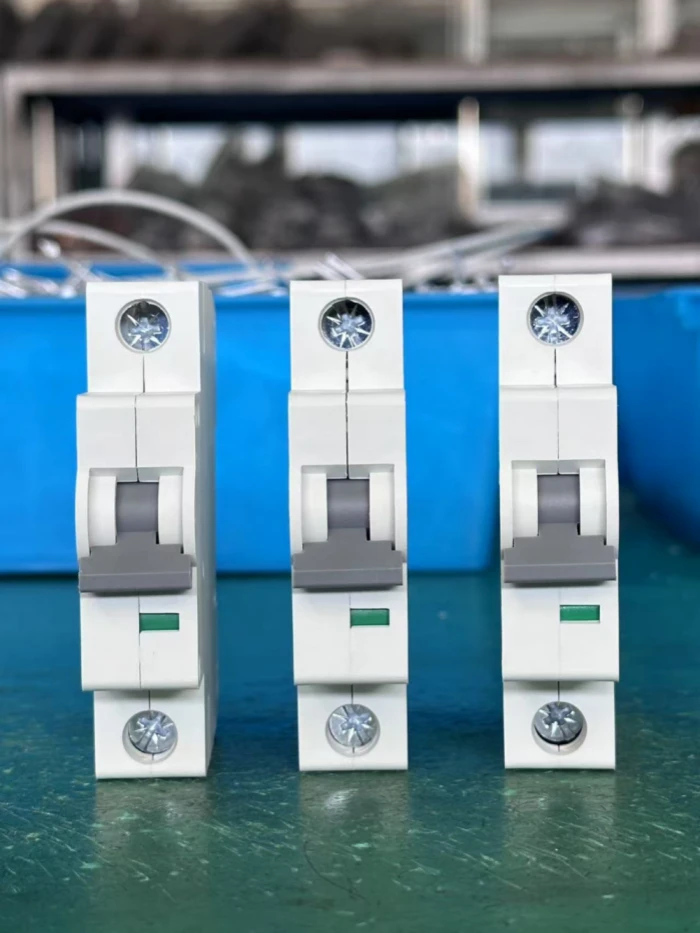
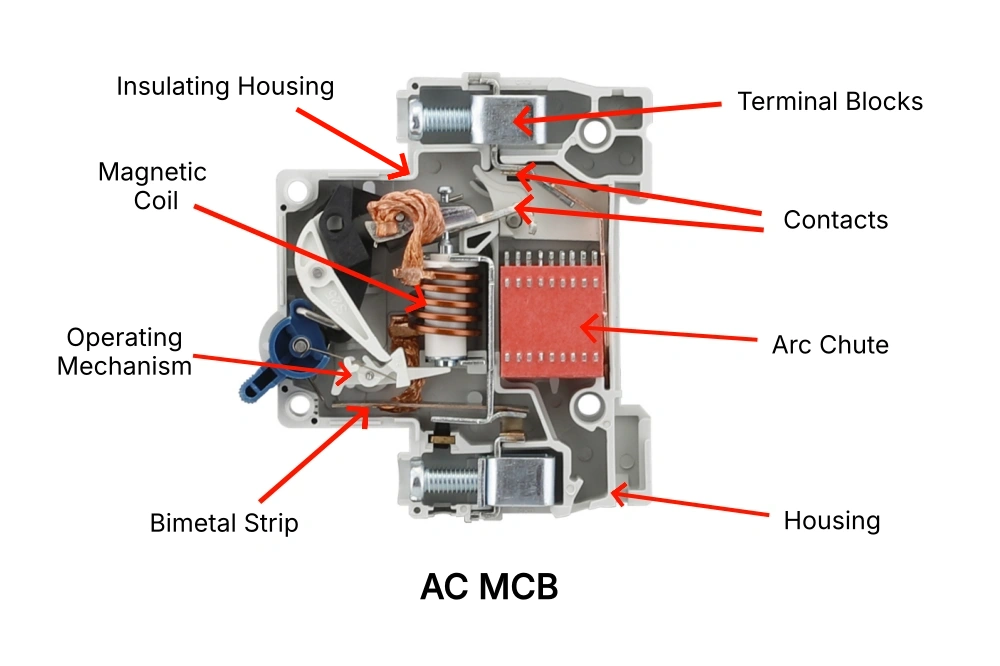
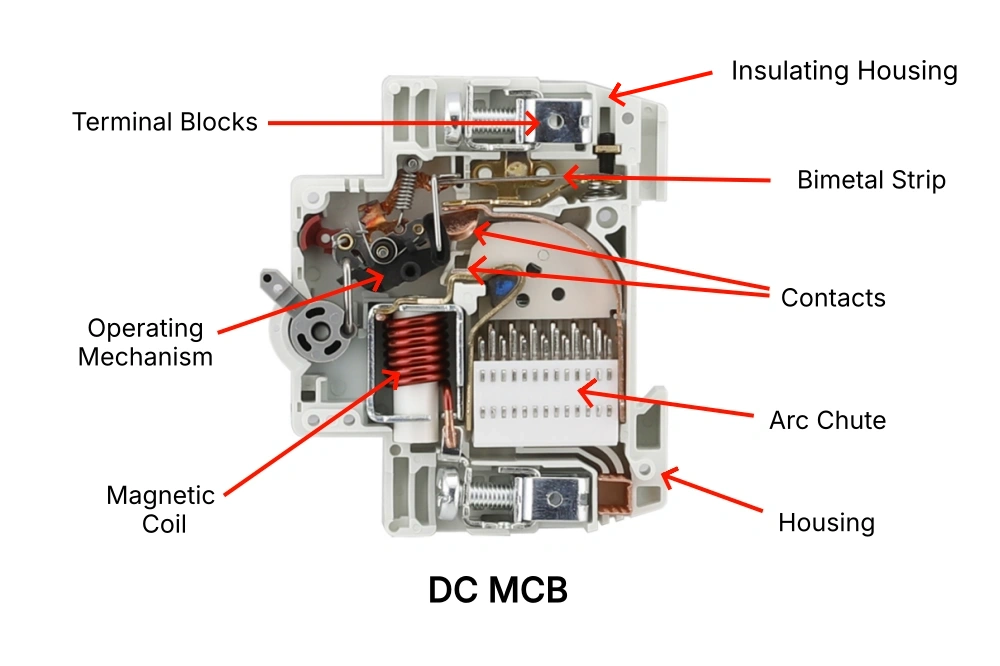
An MCB looks simple from the outside, but there's a bit more going on inside. Here's a quick look at the main components and what each one does.
This is the part you interact with when you flip the handle. It controls the opening and closing of the contacts — whether you're switching the breaker manually or it's tripping automatically during a fault.
This handles overload protection. When current stays above the rated level for too long, a bimetal strip heats up, bends, and triggers the mechanism to open the circuit. It's a slow, deliberate response to sustained overcurrent.
This handles short circuits. When a massive current surge occurs, the magnetic force generated inside the breaker is strong enough to trip the mechanism instantly. It's fast — milliseconds fast.
These are the parts that actually make and break the circuit. They carry current during normal operation and separate when the breaker trips. The quality of the contacts affects how well the breaker performs over time.
When the contacts open under fault current, an arc forms between them. The arc chute splits, cools, and extinguishes that arc — safely and quickly — so the breaker can complete the interruption.
These are the connection points where the MCB connects to the incoming and outgoing wiring. A good connection here means less heat, less resistance, and fewer problems down the line.
The outer shell that holds everything together. It provides electrical insulation, protects the internal parts from dust and impact, and keeps the breaker compact enough to mount side by side on a DIN rail.
An MCB protects an electrical circuit through a simple, automatic process. The following four steps explain how it responds to changing current conditions.
Under normal conditions, current flows through the MCB and powers the connected load. The breaker stays closed, the contacts remain engaged, and the circuit operates as expected without any interruption — everything runs smoothly.
When an overload or a short circuit happens, the current rises above the rated level. The MCB detects this change immediately and prepares to open the circuit before any damage can occur to wiring or equipment connected to it.
Two internal systems respond to excessive current. The thermal system handles sustained overcurrent — it heats up and triggers the mechanism. The magnetic system handles sudden surges instantly. Either way, the contacts open and the circuit is broken.
With the contacts now open, the fault current stops flowing and the affected circuit is isolated from the power supply. Once the issue is identified and resolved, you can reset the MCB manually to restore normal operation and power to your equipment.
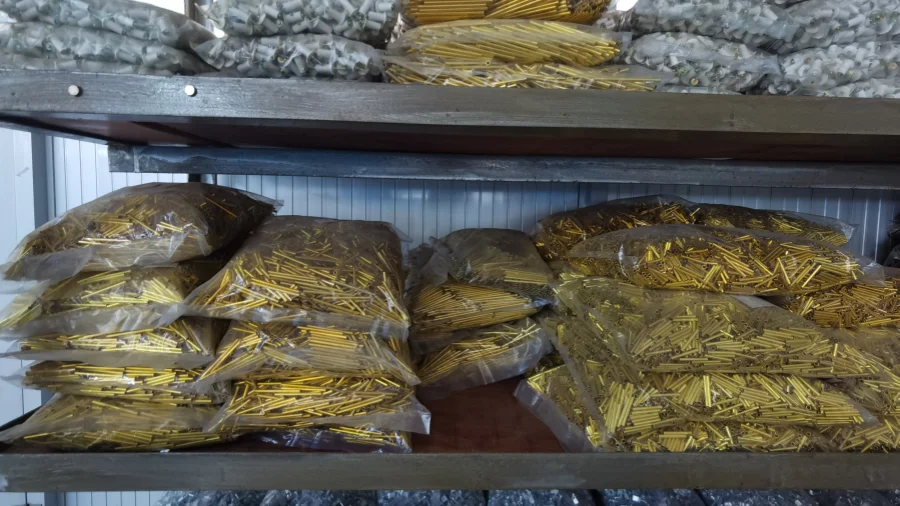
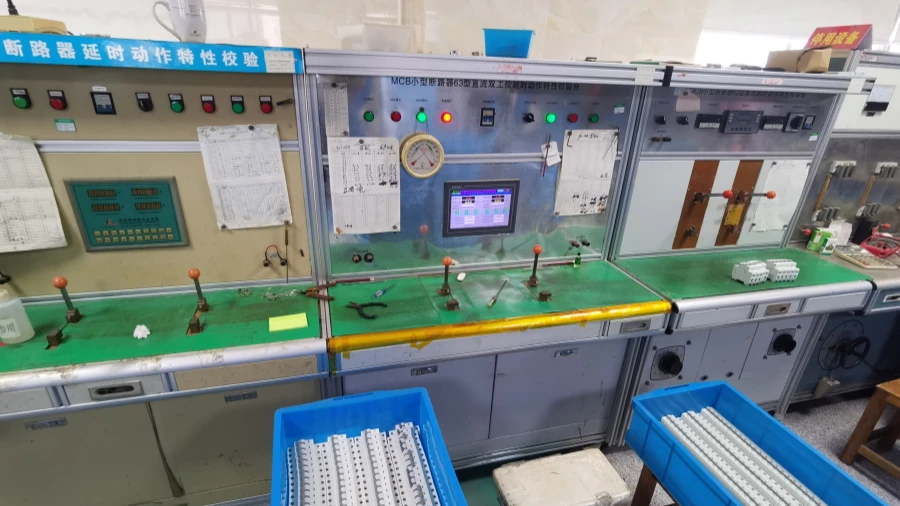
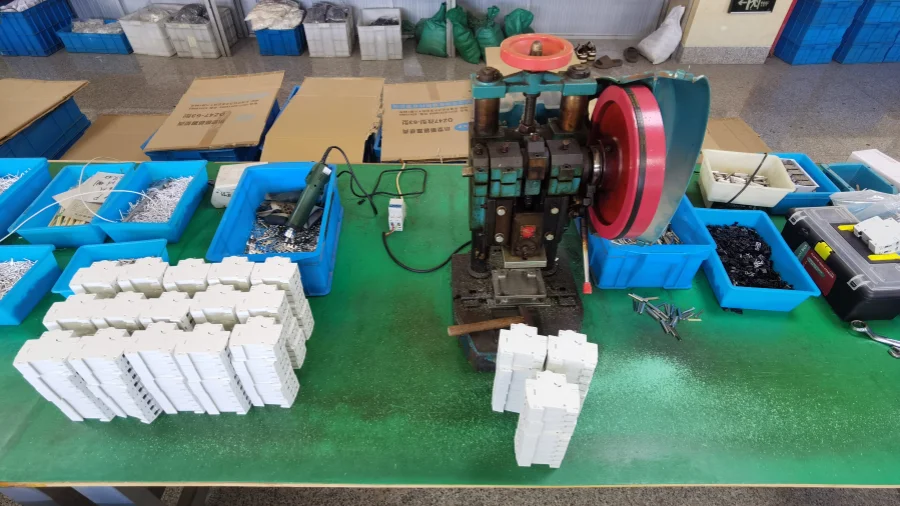
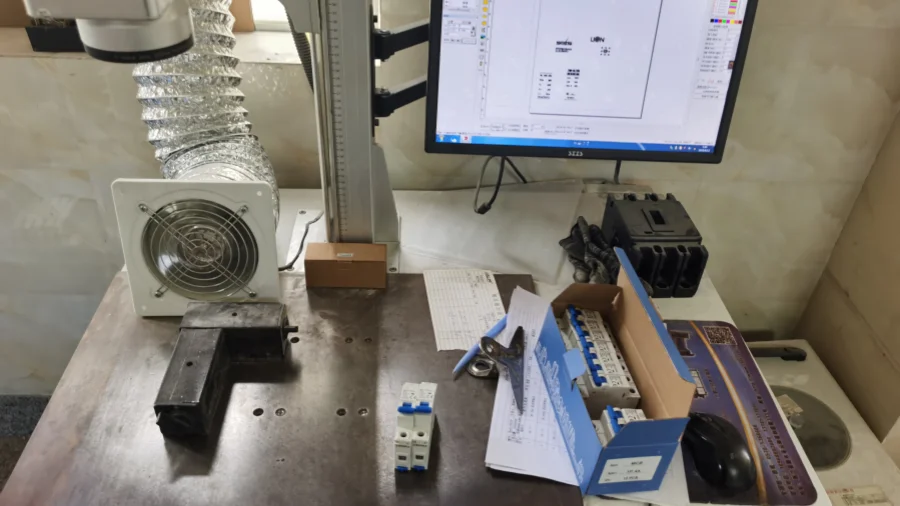
A closer look at the production environment, equipment and daily operations behind Licen’s electrical component manufacturing.

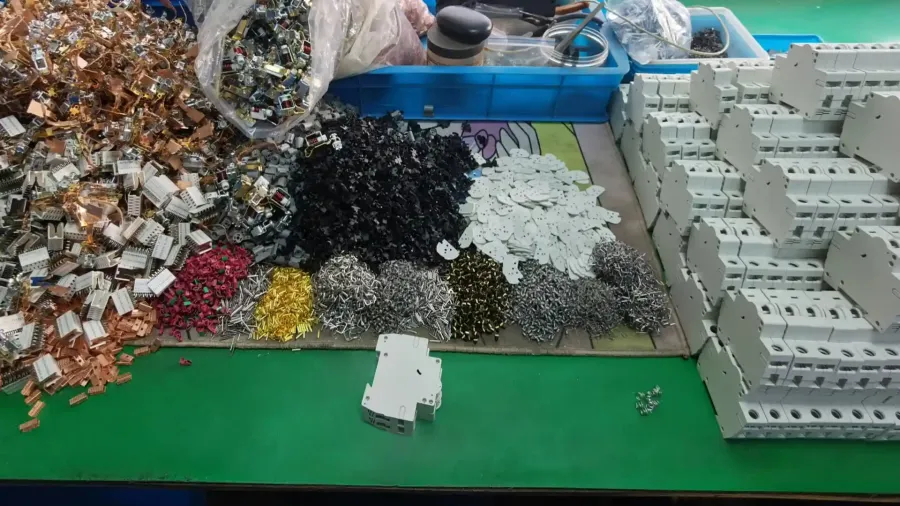
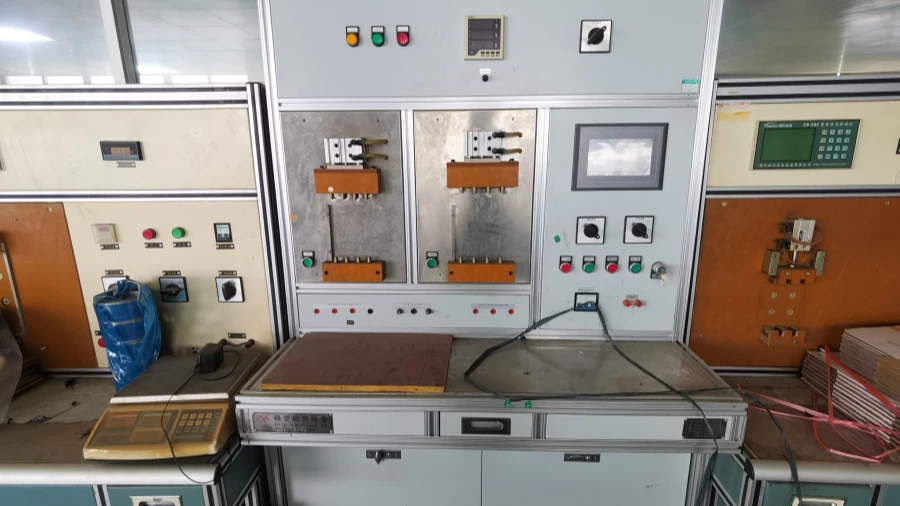

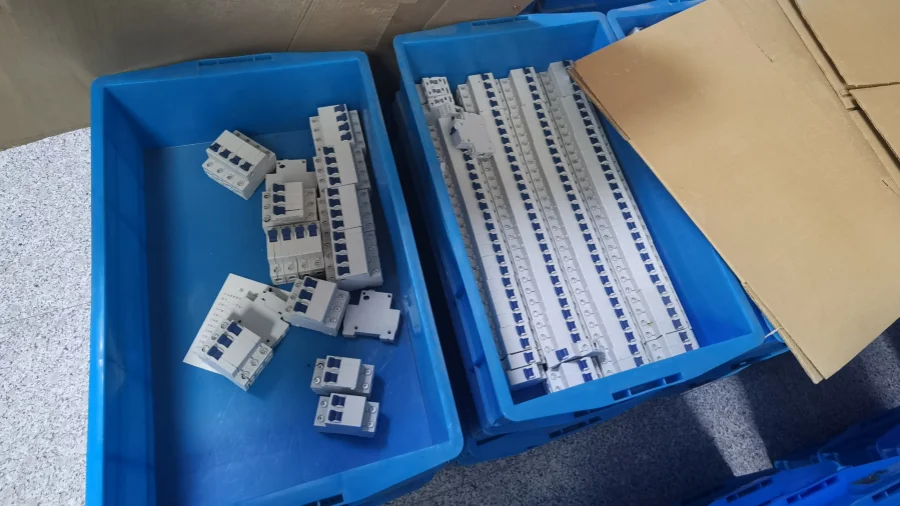



You're not just looking for a box of MCBs. You're looking for a supplier that understands the application, gets the specification right, delivers consistently, and supports you when something needs attention.
We offer technical customization — from rated current and trip settings to internal configurations. You get a breaker that matches your exact circuit design.
CB/CE/RoHS/SAA — fully certified across the board. That means global compliance, smoother customs, and one less thing to worry about when you ship worldwide.
Every MCB goes through full electrical and mechanical testing before it leaves our factory. You get consistent, reliable products, batch after batch, right out of the box.
OEM, ODM, or SKD/CKD — we adapt to your business model, not ask you to adapt to ours. You stay in full control of your brand and your entire supply chain.
We back our products with a 1-year warranty against defects or performance issues. If something isn't right, we make it right — quickly and without hassle.
Samples ship within 48 hours. A dedicated project manager gets back to you within 24 working hours — because waiting on a reply slows everyone down.
Start with a small trial order to test our quality and service before committing to larger volumes. We want you to be confident in our products before you scale up.
Our engineers are available to help with selection, integration, and troubleshooting. You get real answers from real experts — not just a sales rep reading off a spec sheet.
Some common questions about MCBs
Generally, a double-pole MCB should be used as designed — both poles are mechanically linked, so you can’t operate them independently.
If you only need to protect one circuit, a single-pole MCB is the right choice. Always follow the manufacturer’s specifications and the requirements of your installation.
An MCB can be operated many times, but its mechanical and electrical endurance isn’t unlimited. How many cycles it can handle depends on the specific design and its rated conditions.
Frequent manual switching can cause wear over time, so an MCB shouldn’t be used as a regular on-off switch unless it’s specifically rated for that purpose.
Yes — switching off an MCB doesn’t always mean every part of the circuit is dead. Other energized conductors, upstream connections, or incorrect wiring may still present a voltage.
For maintenance or electrical work, don’t rely solely on the MCB position. Properly isolate the circuit and verify it’s de-energized before starting any work.
Replace an MCB if it’s damaged, shows signs of overheating, fails to operate correctly, or no longer provides reliable protection. Replacement may also be needed after a severe fault if the device has been compromised.
The replacement should have suitable ratings and be compatible with your existing installation.
Yes — one MCB can protect multiple loads as long as they’re on the same properly designed circuit. The combined load, conductor capacity, MCB rating, and installation requirements all need to be considered.
The MCB should be selected to protect the circuit conductors and handle the expected operating current without unnecessary tripping.
Yes, as long as it’s properly rated for the environment and installed in a suitable enclosure. Outdoor installations can expose the MCB to moisture, dust, temperature changes, and other conditions.
Make sure the enclosure provides adequate protection against water, dust, and physical exposure. Always check the MCB’s specified operating conditions and the enclosure’s protection rating before installation.
Not necessarily. An MCB needs to be compatible with the panel and the circuit requirements — voltage, current, breaking capacity, number of poles, mounting system, and physical dimensions all matter.
Before installation, verify that the MCB fits the panel, the DIN rail, the wiring, and the overall electrical system.
Don’t just keep resetting it — repeated tripping usually points to an underlying issue. It could be an overload, a short circuit, an incorrectly selected MCB, or something else in the system.
Disconnect or isolate the affected load where possible and identify the cause before resetting. If you can’t determine the issue safely, have a qualified electrician inspect the circuit.
An MCB can provide isolation when it’s designed and rated for that function — but not every MCB is intended for frequent switching or dedicated isolation duty.
If your application requires regular switching or a dedicated isolation function, use a device that’s specifically rated for that purpose.
A small amount of heat is normal — current flowing through the MCB’s internal components generates some warmth. The temperature can vary depending on load current, ambient temperature, installation conditions, and how many devices are mounted together.
However, if you notice excessive heat, discoloration, burning smells, or an abnormal temperature rise, it could indicate an overloaded circuit, loose connection, poor contact, or another issue. Have it checked.
Here are some useful blogs related to MCBs.
We manufacture MCBs in-house and supply them to projects worldwide. If you have a project in mind or need a reliable source for your supply chain, get in touch — we'll send you a quote promptly.