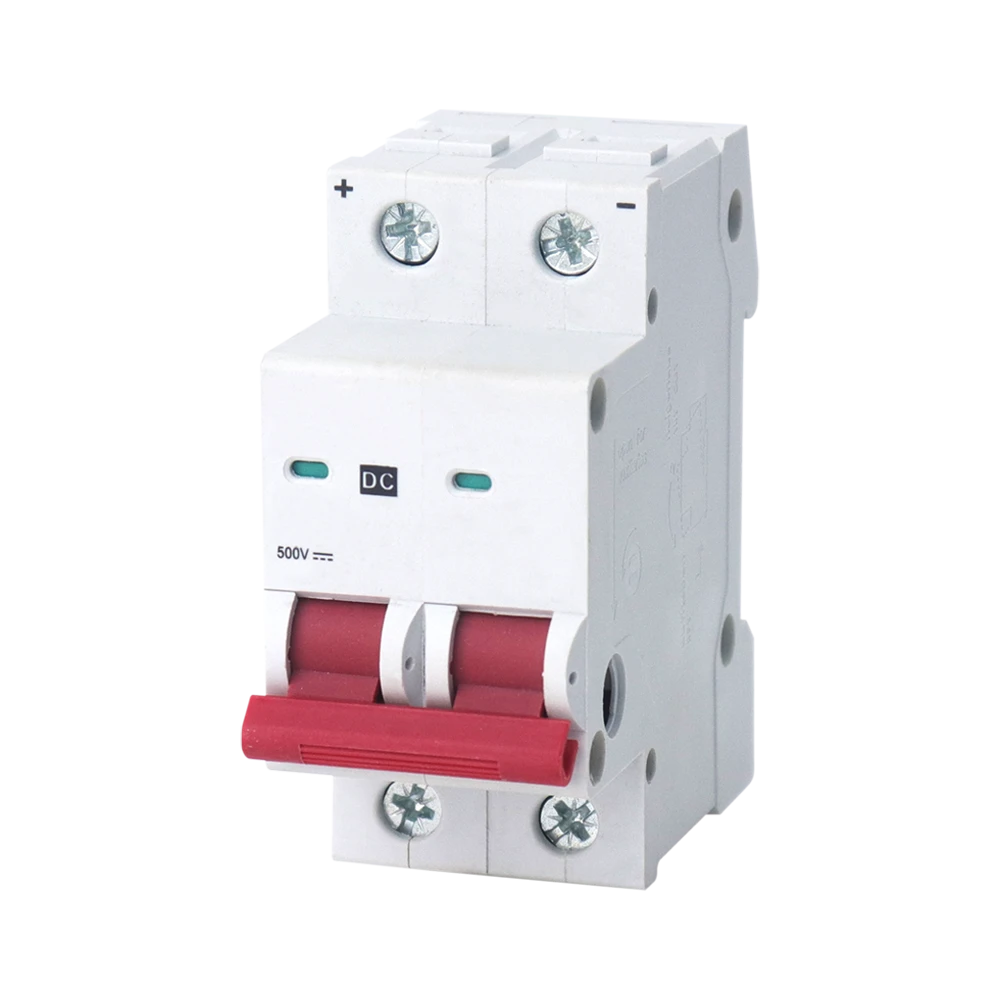
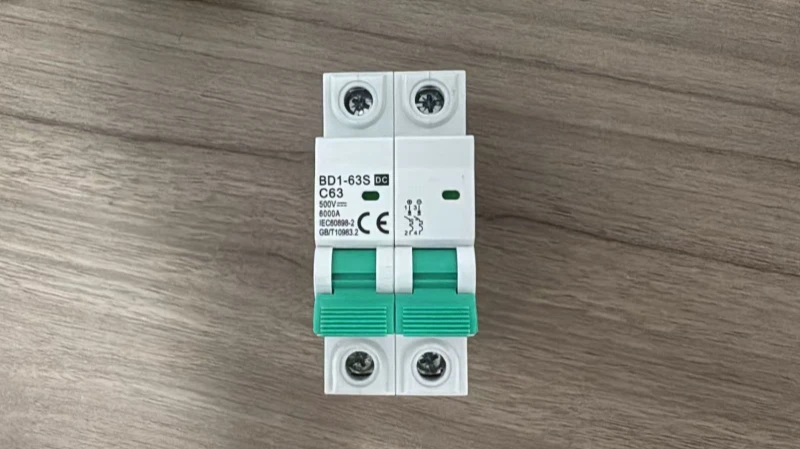
Rather than changing the PV modules or inverter configuration, the contractor revised the DC protection selection for the affected string circuits.
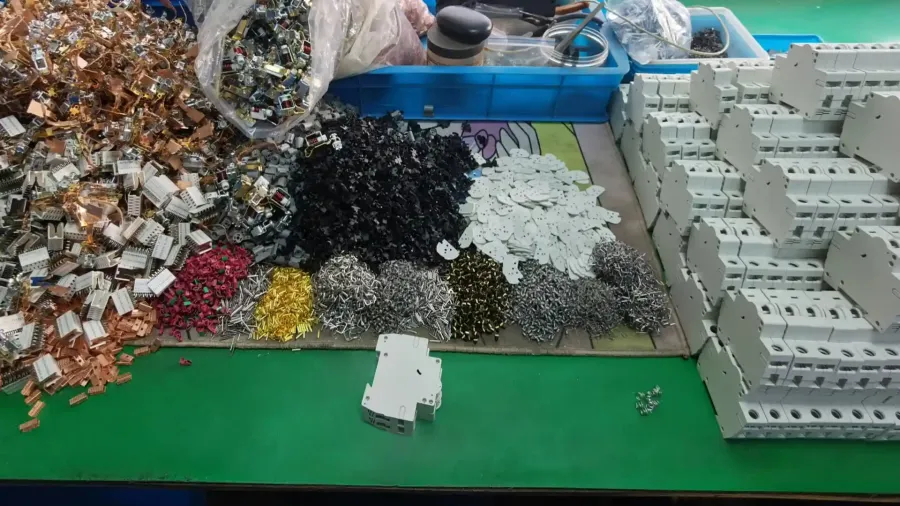
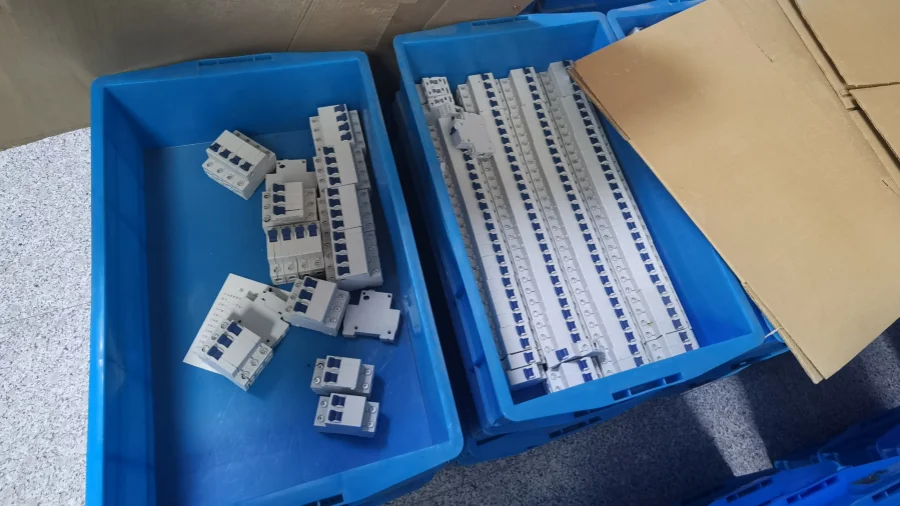
The replacement devices were selected specifically for photovoltaic DC applications and verified against the maximum expected system voltage. Their DC breaking capacity and pole configuration were also checked against the installation requirements.
The string current remained within the original design range, so there was no need to increase the protection rating simply because the strings were longer. This was an important part of the review — increasing the MCB rating wouldn’t have solved the underlying protection-selection issue.
Instead, the contractor kept the protection rating appropriate for the PV string and conductor while ensuring the device itself was suitable for the DC voltage and fault-interruption requirements.
The revised selection process looked at the complete chain:
PV module characteristics → string voltage → string current → number of parallel strings → cable length → available fault current → MCB voltage rating → DC breaking capacity
The contractor also checked the polarity and connection arrangement of the DC MCBs before installation. This was particularly important because the manufacturer specified different connection requirements depending on the pole configuration and DC application.
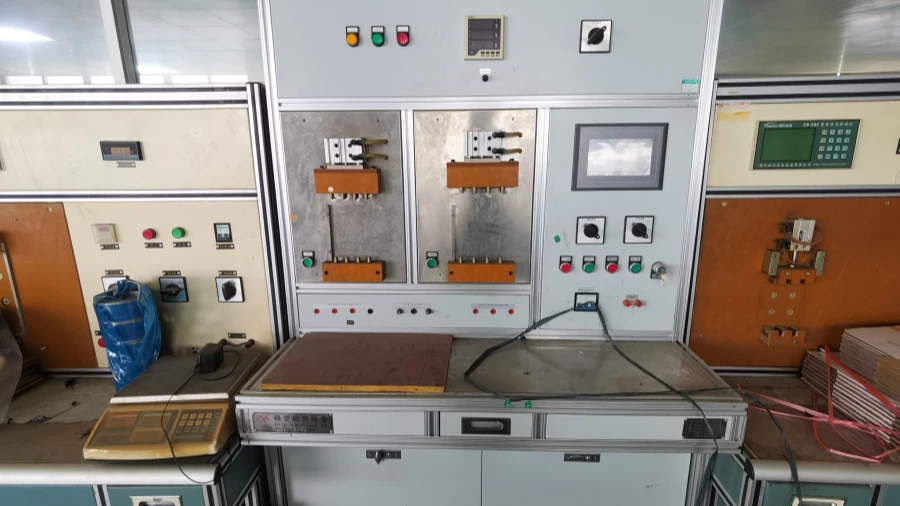
After installing the new protection devices, the contractor carried out the normal commissioning checks for the PV DC circuits — polarity verification, insulation resistance testing, string voltage measurements, continuity checks, and verification of the protective-device configuration.
The measured string voltages were consistent with the expected design values, and the DC protection devices were confirmed to be suitable for the installed operating conditions.