D Type MCB

D Curve MCB for High-Inrush Industrial Loads

You know the situation. You power up a motor, compressor, or transformer — and the breaker trips before the equipment even gets going.

Startup current is a normal part of how many industrial loads operate. The challenge is choosing protection that can ride through that brief surge without compromising overload and short-circuit protection.

That’s where a D Curve MCB can make the difference.

  • ISO
  • CB
  • CE
  • SAA
  • RoHS
Get Catalog
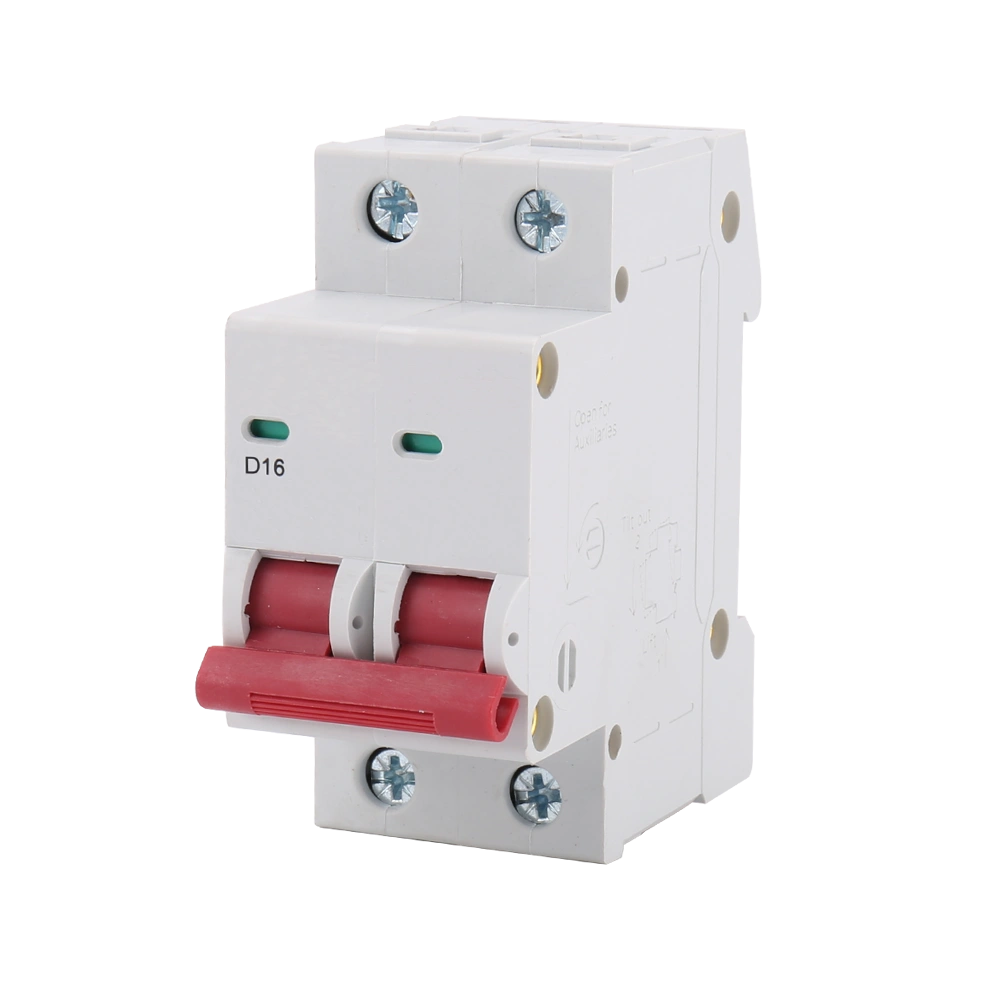
White 2P D16 miniature circuit breaker, double-pole design with red linked operating handle and green status indicator windows, D-curve tripping characteristic

Specifications at a Glance

Here are the key specs for our D Curve MCB series. If you don't see what you need, feel free to send us a message.

Why Equipment Startup Keeps Triggering Nuisance Trips?

Industry Challenge

Startup current isn’t a flaw. It’s just physics. Motors draw extra current to get moving. Transformers draw a brief magnetizing surge when you energize them. It happens every time.

The question isn’t how to eliminate it — you can’t. The question is whether your protection system can tell the difference between a normal startup and an actual fault.

  1. High Inrush Current Is Normal. Nuisance Tripping Isn't.

    For a brief moment at startup, a motor can draw several times its rated current. A transformer can pull significantly more current when it is energized. That’s not a fault — it’s a normal characteristic of inductive loads. Once the equipment reaches its normal operating state, current settles back to its expected level.

    The problem starts when the protection device interprets that temporary surge as a fault. The equipment may be operating exactly as expected, but the breaker sees a sudden rise in current and trips before the load has a chance to reach steady state.

    InsightA reliable electrical system has to know the difference between a startup surge and a short circuit.
  2. The Window for Making the Right Call Is Milliseconds.

    A short circuit, an overload, and a startup surge can all look similar to a breaker at first — current rises sharply. But they are not the same event, and they should not trigger the same response.

    A short circuit requires rapid disconnection. An overload calls for protection based on how long the excessive current persists. A startup surge, on the other hand, is temporary and expected. The protection system needs to recognize that difference without compromising safety.

    That’s why protection isn’t simply about responding faster. It’s about responding correctly. The trip characteristic has to match the way the load actually behaves during startup and normal operation.

    InsightEffective protection isn’t about responding faster — it’s about responding correctly.
  3. An Unnecessary Trip Costs More Than You Think.

    An unexpected shutdown is rarely just a reset button and a few minutes of lost time. Even a short interruption can disrupt production schedules, tie up equipment, pull operators and maintenance staff away from other work, and create delays further down the line.

    The financial impact can be significant. ABB’s Value of Reliability research reported a median cost of approximately $124,669 per hour of unplanned downtime. (Source: ABB Value of Reliability Survey)

    Siemens has likewise reported that downtime costs in large manufacturing environments can range from tens of thousands to millions of dollars per hour, depending on the industry and production process. (Source: Siemens True Cost of Downtime Research)

    We’re not quoting these numbers to impress you. The point is simpler: a preventable trip is never really free. The electrical event may last seconds, but its operational consequences can last much longer.

What Is a D Curve MCB?

The Solution

A D Curve MCB is a miniature circuit breaker with a higher magnetic trip threshold — high enough to let startup current pass, but still fast enough to clear a real short circuit.

It’s not a specialty item. It’s a standard solution for any circuit that feeds a motor, transformer, or other inductive load. You spec it when you need the breaker to match the equipment, not the other way around.

Higher Threshold, More Startup Headroom

A D Curve MCB uses a higher instantaneous trip threshold, giving it more room to handle short-duration inrush during equipment startup. This helps prevent normal startup current from triggering the magnetic protection, provided the expected inrush remains within the breaker’s specified operating characteristics.

Overload Protection Still Does Its Job

A higher trip threshold does not mean allowing more continuous current. The thermal protection still responds to sustained overload conditions, while the magnetic protection handles high-current events. Each function has a different job, working together to protect the circuit during both normal operation and fault conditions.

More Startup Headroom, Not Less Protection

Choosing a D Curve MCB is about matching the trip characteristic to the load. The goal isn’t to make protection less sensitive, but to prevent normal startup current from being treated as a fault while maintaining rapid protection when a genuine short circuit occurs.

How Does a D Curve MCB Actually Work?

A D Curve MCB uses two protection mechanisms: thermal protection for sustained overloads and magnetic protection for high-current faults. The key difference is how the magnetic trip responds to short-duration inrush.

Reading the D Curve Tripping Chart

The chart shows how the breaker responds as current increases — from normal operation through overload and into high-current faults.

The thermal protection responds to sustained overcurrent. As current increases, the operating time generally decreases, but the response is not instantaneous. This helps distinguish temporary current increases from sustained overloads.

The magnetic protection responds much faster when current reaches the instantaneous trip range. D Curve sets this range higher than B or C Curve devices, giving high-inrush loads more startup headroom while maintaining rapid fault protection.

1 1.13 3 10 20 50 Multiples of Rated Current (I / In) 1000s 10s 1s 0.1s 0.01s Tripping Time t (s) Type D Zone (10 ~ 20 In) Thermal Tripping Zone Instantaneous Magnetic Protection Inrush Withstand / Short-circuit Limit

How D Curve Compares to B, C?

The key difference between B, C, and D Curve is the magnetic trip threshold. The table below shows how that difference affects their suitability for different load conditions.

Comparison B Curve C Curve D Curve
Magnetic Trip Threshold 3–5 × In 5–10 × In 10–20 × In
Startup Current Handling Limited Good Designed for Very High Inrush Currents
Best Suited For Lighting & Resistive Loads General Commercial & Mixed Loads Large Motors, Transformers & Industrial Equipment
Tolerance to Startup Surges Low Moderate Excellent
Chance of Unwanted Tripping High on Motor Loads Reduced Minimal When Correctly Applied
Typical Installation Homes Commercial Buildings Industrial Control Panels & Machinery
Main Advantage Quick response for low inrush circuits Versatile protection for everyday electrical systems Allows high startup currents without unnecessary tripping while maintaining overload and short-circuit protection

D Curve or K Curve?

Still comparing options for motor and inductive loads?

K Curve MCB is another option worth considering. Like D Curve, it is designed for circuits where higher startup current can make conventional protection trip too easily. The difference lies in their trip characteristics and how they fit the application.

Explore K Curve MCB →

D Curve MCB Applications

Not every application needs a D Curve. But if your equipment draws a high startup current, it's worth checking. Here are some of the most common use cases — see if yours is on the list.

Why Licen for This Solution?

You're not just looking for a D Curve MCB. You're looking for a supplier that understands the application, gets the specification right, delivers consistently, and supports you when something needs attention.

Case Study

Here's a real example of how the right curve choice plays out in an actual installation.

Building a Stable Protection System for Newly Installed Industrial Equipment

  • Industry
    Automotive Component Manufacturing
  • Location:
    Poland
  • Equipment
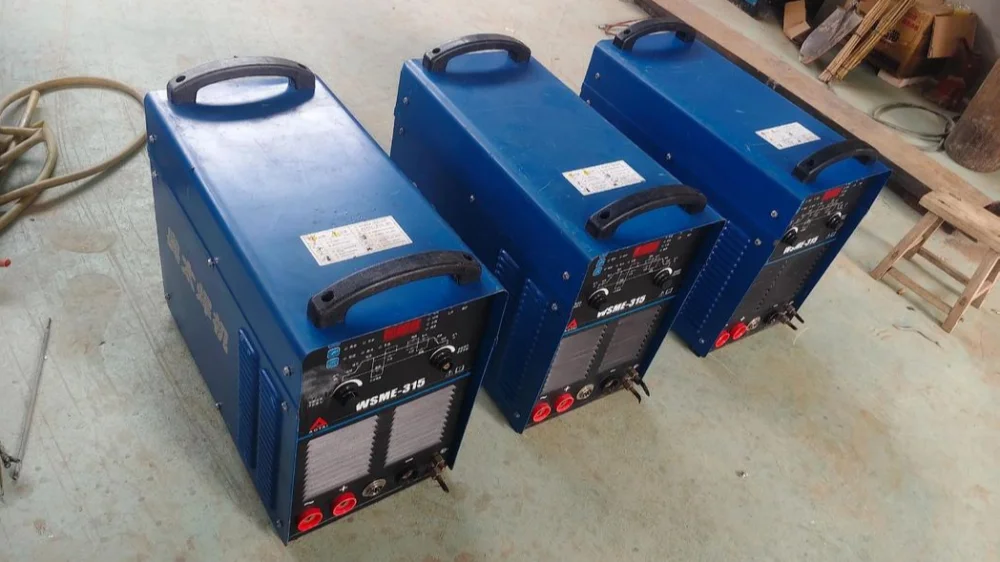
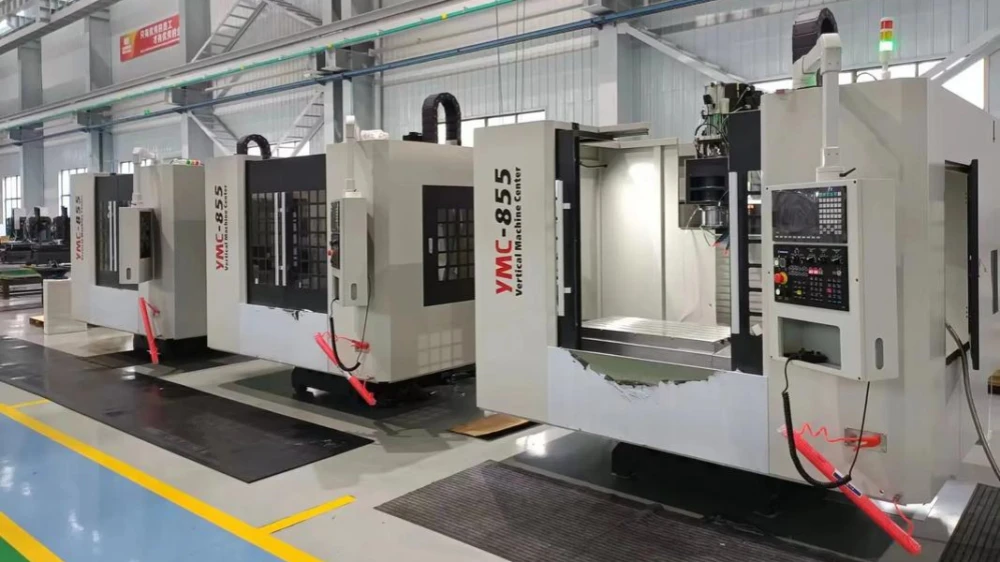
    CNC Machines, Hydraulic Systems, Industrial Motors
  • Project Stage
    New Production Line Installation & Commissioning

Background

An automotive component manufacturer in Poland was expanding its production capacity with a new automated production line. The line included multiple CNC machines, hydraulic equipment, conveyor systems, and other motor-driven equipment.

Unlike typical resistive loads, these machines can draw significantly higher current during startup. In particular, some motor-driven equipment may draw several times its normal operating current when starting under load.

For the control panel design, the engineering team therefore needed to consider not only the rated operating current of each machine, but also its transient startup current to avoid unnecessary tripping during normal operation.

The objective was straightforward: build a stable and reliable protection system for the new production line without simply increasing breaker ratings.

The Challenge

Several motor-driven machines in the project had rated power between 15–37 kW, with normal operating currents generally ranging from 30–70 A.

Based on the equipment characteristics and starting conditions, the engineering team estimated that some motors could draw approximately 8–15 times their rated current during startup.

For equipment operating at 30–70 A, this corresponds to an estimated startup current of approximately 240–1,050 A. This current occurs only briefly and does not necessarily indicate a short circuit or other electrical fault.

This created a practical protection challenge. If the breaker’s instantaneous magnetic trip threshold was too low, it could respond to normal motor starting current. Simply increasing the breaker’s rated current, however, could reduce the level of protection provided to the circuit.

The engineering team therefore evaluated:

  • Motor power and normal operating current
  • Estimated startup current and duration
  • Actual equipment load conditions
  • Instantaneous magnetic trip characteristics
  • Coordination with other protection devices in the control panel
Equipment Startup Analysis
  • Motor Power15kW–37kW
  • Normal Operating Current30–70 A
  • Estimated Startup CurrentApprox. 240-1050 A
  • Typical Starting RatioApprox.. 8-15 x In

The assessment showed that the startup current of some equipment was well above the typical instantaneous magnetic trip range of B Curve MCBs and could enter the instantaneous trip range of C Curve devices.

This meant that selecting a breaker based only on normal operating current could increase the risk of nuisance tripping during startup.

The Solution

Instead of simply increasing the breaker rating, the engineering team first reviewed the trip characteristic against the actual startup behavior of the equipment.

For motor-driven equipment with higher starting currents, D Curve MCBs were selected.

A D Curve MCB typically has an instantaneous magnetic trip range of 10–20 × In, providing a higher instantaneous trip threshold than B and C Curve devices. This makes it more suitable for motor-driven and industrial equipment with high startup currents.

The D Curve MCBs were installed in selected high-starting-current circuits within the new control panels, with the rated current selected according to the requirements of each individual circuit.

The objective was not to make the breaker “handle more fault current,” but to match its instantaneous protection characteristics more appropriately to the equipment’s normal startup behavior.

The resulting protection design provided:

  • Appropriate instantaneous protection for high-starting-current equipment
  • Normal overload and short-circuit protection
  • No need to oversize the breaker simply to accommodate startup current
  • Compatibility with the existing DIN rail control panel design

Results

During production line commissioning, the engineering team monitored motor startup behavior and breaker performance under different operating conditions.

After completing the necessary circuit checks and protection verification, the selected motor circuits were able to start normally without unexpected tripping caused by normal startup current.

Compared with simply increasing the breaker rating, selecting a suitable D Curve characteristic provided a protection solution that better matched the actual operating conditions of the equipment and reduced the need for further protection adjustments during commissioning.

For a new production line, considering motor starting characteristics during the electrical design stage can be a more straightforward approach than addressing startup-related tripping after installation.

The key was not simply choosing a larger breaker, but selecting a trip characteristic that matched the equipment’s starting behavior. This allowed the equipment to start normally while maintaining the required circuit protection.

— Electrical Design Engineer, Project Team

D Curve MCB Price

What Determines D Curve MCB Price?

The price of a D Curve MCB depends on more than the trip curve itself. Rated current, poles, breaking capacity, certifications, and order quantity can all affect the final cost.

  1. Rated Current

    Different current ratings require different product specifications. A 6A, 16A, 32A, or 63A D Curve MCB may have a different price.

  2. Pole Configuration

    1P, 2P, 3P, and 4P versions use different internal configurations and material quantities, which affects the overall cost.

  3. Breaking Capacity

    Common options include 6kA and 10kA. A higher breaking capacity generally requires a higher level of product performance.

  4. Certifications

    CB, CE, RoHS, SAA, UL and other market requirements can affect testing, compliance, and manufacturing costs.

  5. Order Quantity

    Larger orders can usually achieve more competitive unit pricing. MOQ and volume requirements also depend on the product configuration.

  6. Custom Requirements

    OEM, ODM, special ratings, packaging, or other custom requirements may affect the final quotation.

How Much Does a D Curve MCB Cost?

When comparing D Curve MCB prices, the unit price alone does not tell the whole story. Products with the same current rating and pole configuration may still differ in breaking capacity, certifications, quality requirements, and order volume.

Share your required current rating, poles, breaking capacity, and quantity with us. We can provide a quotation based on your actual product requirements.

FAQs

We get asked these questions a lot. If yours isn't on the list, just ask — we're happy to answer.

Have a Project in Mind?

Tell us what you're working on — equipment specs, project requirements, or just a rough idea. We'll take a look and get back to you within 24 hours with our thoughts.