Do Interphase Barriers Matter?
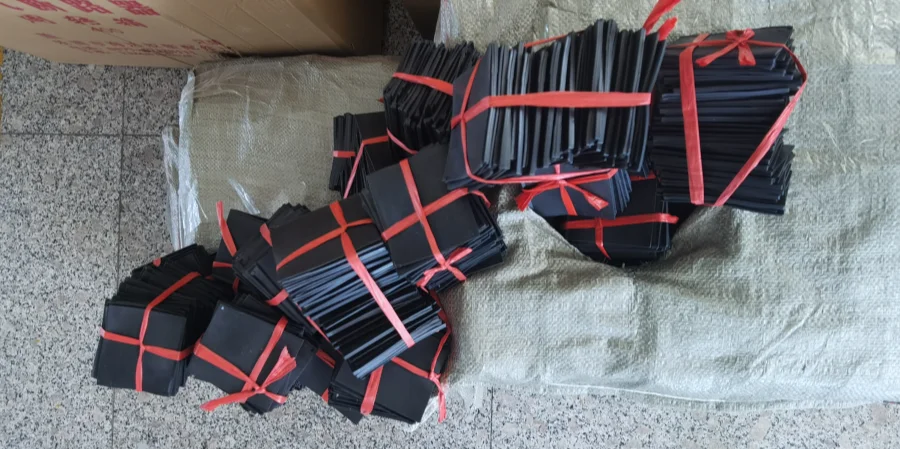
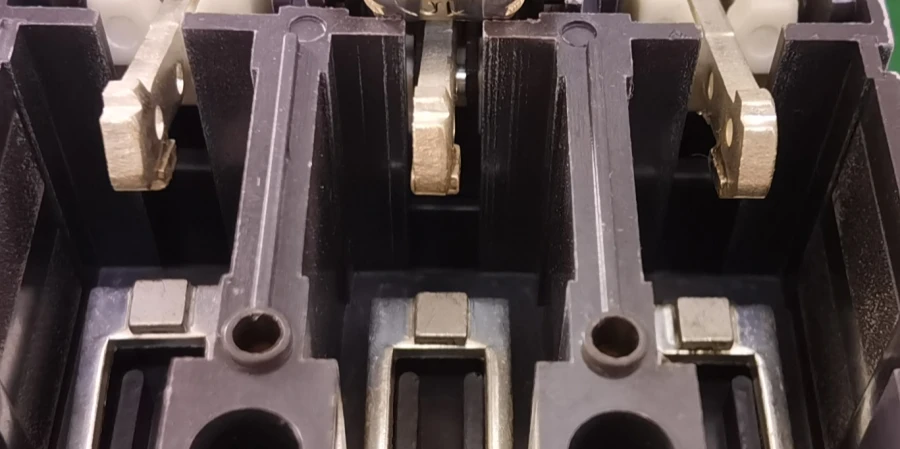
Interphase barriers are small parts that can affect safety, compliance, and installation in electrical components. Buyers and engineers may want to check a few details before specifying or ordering.

Interphase barriers are small parts that can affect safety, compliance, and installation in electrical components. Buyers and engineers may want to check a few details before specifying or ordering.

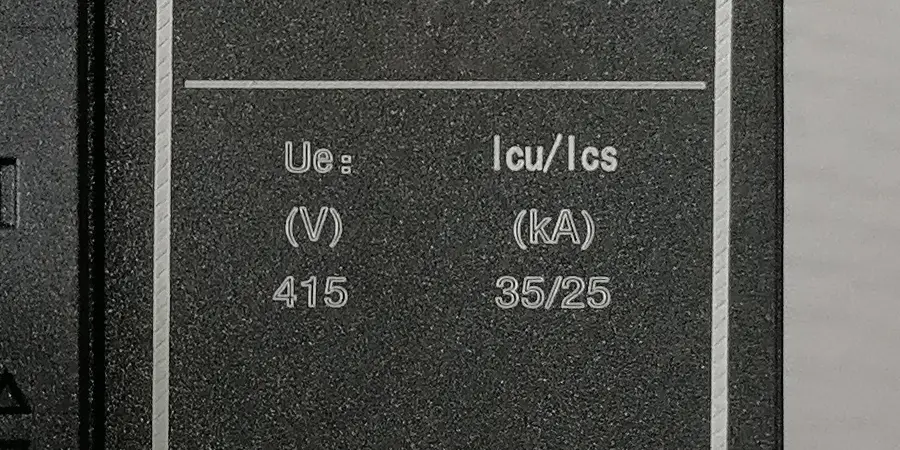
Comparing circuit breakers by kA ratings alone can leave important questions unanswered. For buyers and technical teams, understanding how voltage affects these ratings is part of a sound specification review.

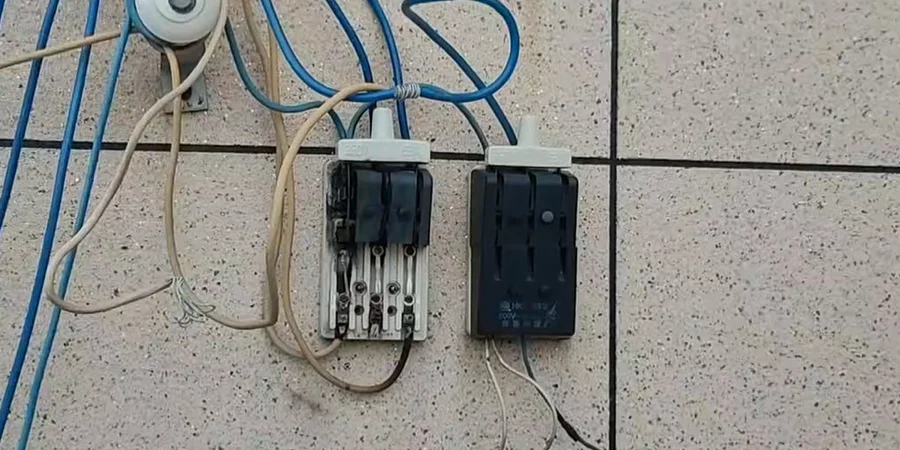
Knife switches were once a normal part of household wiring. Their slow disappearance says something about how safety expectations, technology, and everyday life changed over time.

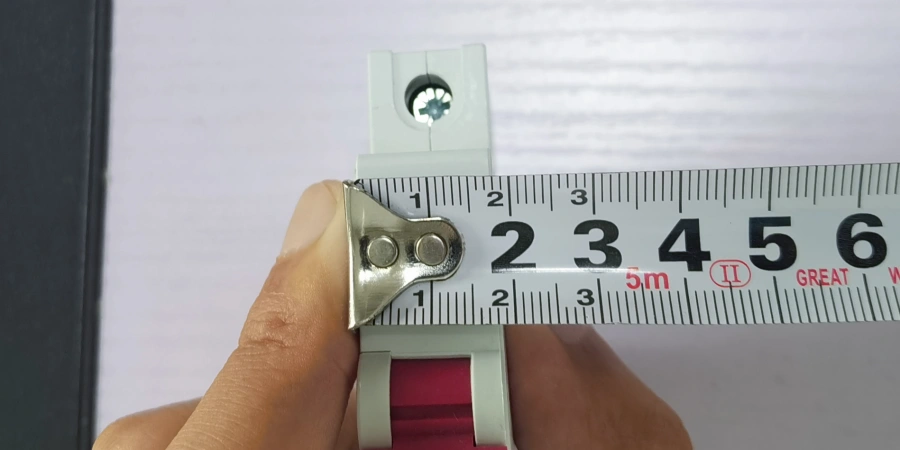
Why is 18 mm such a common reference for MCB width? From modular installation to actual product dimensions, there is more behind this familiar number than it first appears.

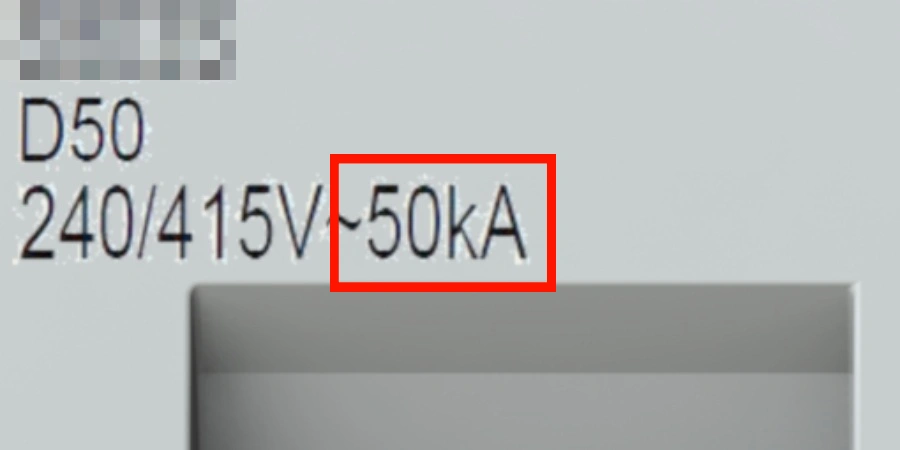
Some circuit breakers have breaking capacities far beyond what we normally see. Why are they designed this way, and what kind of electrical systems might require such a high level of protection?

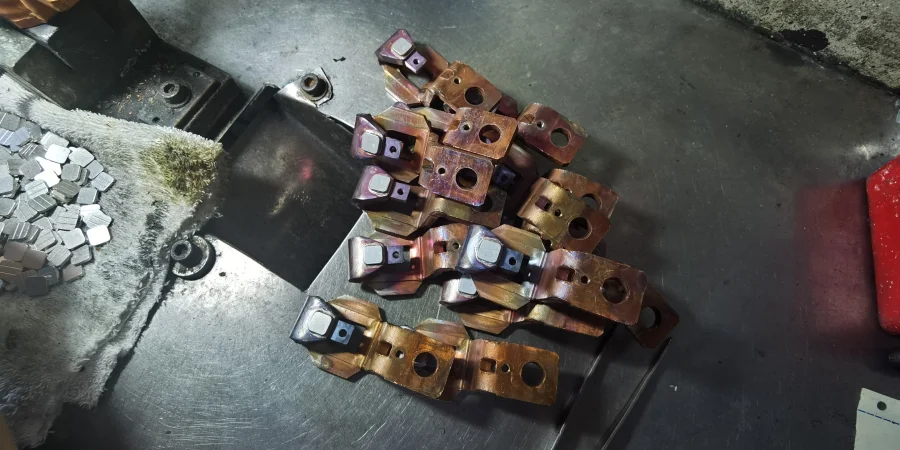
When similar circuit breakers receive different quotations, the difference may come from components that buyers cannot see. Understanding contact materials can provide useful context when comparing prices and specifications.

Checking electrical contacts is a practical concern in many types of manufacturing. A closer look at how contact quality is assessed can help production teams better understand the quality behind a finished product.

Switching off a breaker is something we do almost without thinking. But when maintenance work is involved, simply moving the handle to OFF may not tell the whole story.

When moving from finished-product imports to local assembly, many practical issues only become visible during the project. Understanding what to expect from your supplier can help you prepare for them.