
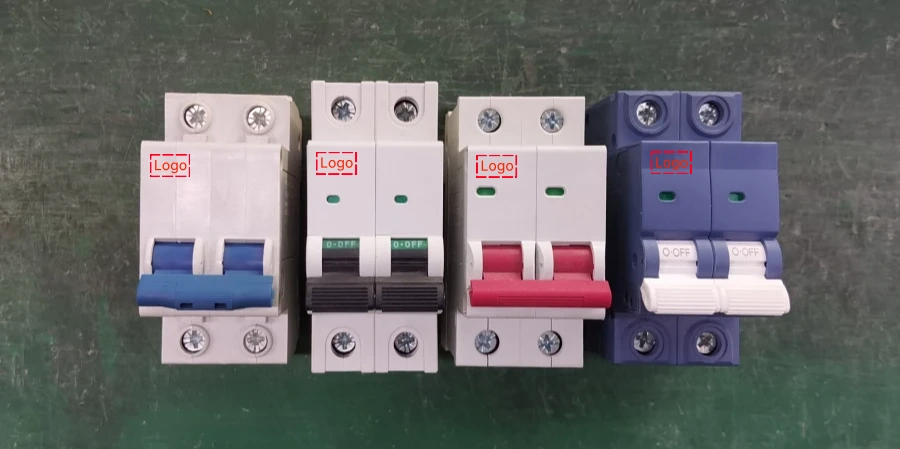
Many buyers start a private-label MCB project with a simple idea: put their own logo on an existing breaker and sell it under their brand. But once specifications, colors, packaging, and production quantities enter the discussion, customization can become more complicated than expected.
A small change to the housing or markings may affect tooling, MOQ, production time, or even certification requirements. Choosing the wrong level of customization can also add cost without giving your product much more value in the market.
After working with customers from different countries, we’ve found that the most practical projects usually start with a clear understanding of what really needs to be customized. Knowing where to keep things simple, and where extra development is worth the investment, can make a big difference before production begins.
What You Can Actually Customize on an MCB?
I get this question almost every week from customers who want to sell breakers under their own name instead of someone else’s.
The good news is that customizing the appearance of an MCB is a normal part of what we do, not some special favor. Most factories on our industrial belt in Yueqing, including us, run OEM and ODM programs built exactly for this.
The part people get wrong is thinking customization means starting from zero. It doesn’t. You’re changing how the breaker looks and how it’s labeled, not reinventing the internal design. That distinction matters a lot for cost, timeline, and certification, which I’ll get into below.
Logo and marking is the easiest change. We apply your logo with pad printing, laser marking, or a custom nameplate, depending on the surface and the look you want.
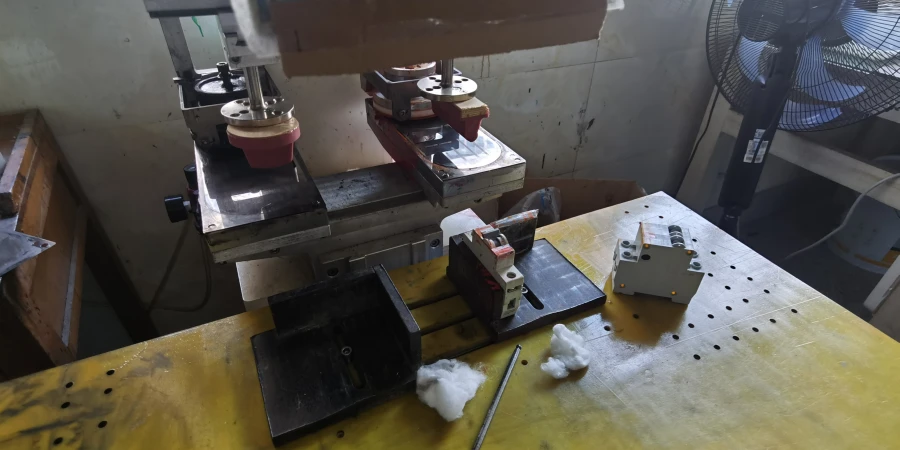
Housing and handle color is next — we keep a set of standard colors and shapes that sell well, but if you have your own brand colors, we can usually match them once you clear the minimum order quantity.
Labels, packaging, and documents round it out: custom cartons, manuals, rating labels, and product identification can all carry your brand instead of ours.
Here’s a quick breakdown of what’s commonly customized and what it usually depends on:
| Customization Area | What Changes | What It Depends On |
|---|---|---|
| Logo/marking | Pad printing, laser marking, nameplate | Logo complexity, color count |
| Housing/handle color | Standard or brand-matched color | Existing color range vs. custom match |
| Labels & packaging | Cartons, manuals, rating labels | Design files, print run size |
| Housing shape/mold | Fully custom exterior | Tooling cost, order volume |
One thing worth knowing early: a single-color logo is much easier for a small factory to produce well.
Two or three colors done with air-pressure printing can shift slightly during application, which costs us time and sometimes results in rejects. Bigger factories have more advanced equipment and technology to handle multi-color printing cleanly, but they also come with much higher MOQ.
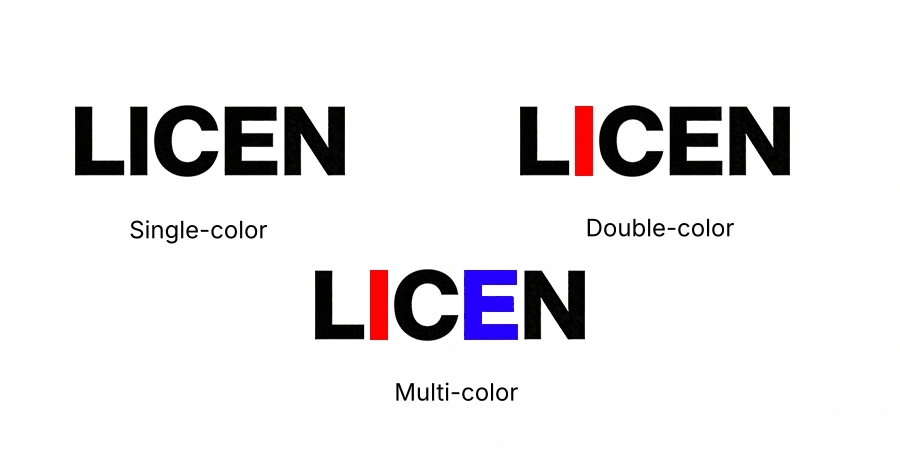
If you’re just getting your brand off the ground, starting with a simple, single-color logo keeps quality high and cost manageable.
Manufacturers can modify external appearance elements such as casing color, front panel design, and operating handle color to match a brand’s visual identity.
Housing Molds, Tooling Costs, and Why MOQ Matters?
This is where a lot of first-time private label buyers get surprised, so let me walk through it plainly. There are two very different levels of customization, and they come with very different price tags.
If you’re keeping our standard housing shape and just changing colors or logos, the order minimum is fairly reasonable — usually in the range of a few thousand to a few tens of thousands of units, depending on the complexity of what you’re asking for.
If your logo is simple and matches a color we already produce, some factories, including us, may not even charge a setup fee if the first order is a decent size.
Custom housing shapes are a bigger step. This usually means a dedicated mold, and molds cost money upfront. In our case, we collect a mold fee from the customer before production starts, then return that fee in full once the order volume reaches an agreed threshold. Think of it less as a cost and more as a deposit tied to your commitment.
If you’re planning to build a private label brand for the long run anyway, this arrangement works in your favor — the factory effectively absorbs the mold cost over time, and you end up owning a design that’s uniquely yours.
Why factories set MOQs this way?
The logic isn’t arbitrary. Small production runs with custom colors or shapes require extra changeover time on the line, extra quality checks, and sometimes new packaging setups.
A factory needs enough order volume to make that changeover worth doing well, rather than rushing it. Private-label MCB products allow distributors and electrical brands to sell breakers under their own brand identity without developing a complete manufacturing system.
But “without developing a complete manufacturing system” doesn’t mean without any commitment at all. You’re still asking a factory to treat your line differently from its standard runs, and the MOQ reflects that.
Staying Compliant While You Customize
Here’s the part I always tell customers to slow down on, because it’s the one mistake that actually costs money later. Appearance customization has to stay inside the boundaries of what your certification covers.
A CE, CB, or SAA certificate isn’t just for the internal breaker mechanism — it applies to the complete product as tested, including markings and construction details that affect safety.
That doesn’t mean you can’t change much. Color, logo, and labeling changes almost never touch the certified design. But if you’re asking for a different housing shape, different terminal covers, or anything that changes the physical structure, that needs to be checked against the existing certification or may require a new test report.
Skipping this step is how some buyers end up with a shipment that gets flagged at customs, or worse, sold into a market where it technically shouldn’t be.
My advice, plain and simple: before you finalize any custom appearance, ask your supplier directly whether the exact configuration you want is still covered under the certificate you’re relying on. A factory that’s confident in its paperwork will answer that question without hesitating.
| Change Type | Usually Affects Certification? | Notes |
|---|---|---|
| Logo, color, labeling | No | Safe in most cases |
| Custom packaging/manuals | No | Cosmetic only |
| Custom housing shape | Often yes | May need retest or new report |
| Internal component changes | Often Yes | May require new certification |
What to Prepare Before You Contact a Supplier?
Once you know what level of customization you want, the process moves faster if you walk into the conversation with a few things ready. I’ve seen projects stall for weeks simply because the buyer and factory went back and forth collecting basic details that could have been sent on day one.
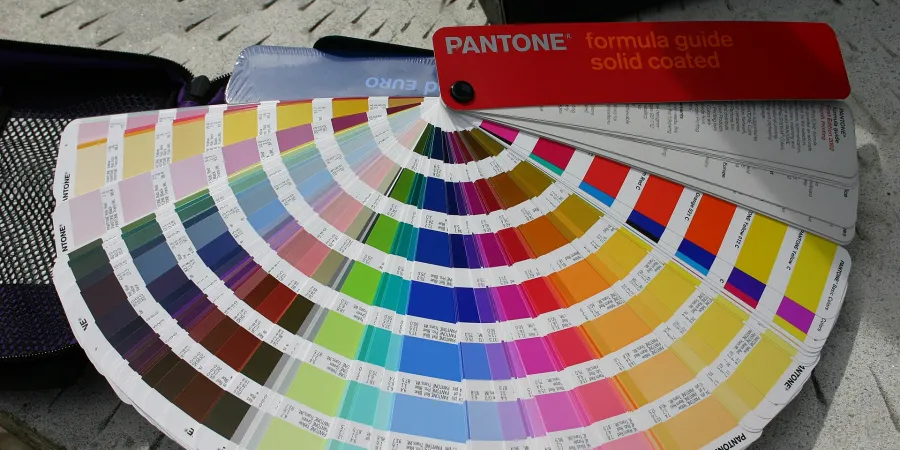
Start with your logo in a vector file — AI, SVG, or PDF, not a screenshot or a low-resolution JPEG. Vector files scale cleanly for printing and marking, and they save the factory a design step. Along with that, send your brand colors as Pantone, CMYK, or RGB codes rather than a general description like “dark blue,” since color names mean different things on different screens.
You’ll also want to have your technical specs settled: pole count, current rating, trip curve, voltage, and breaking capacity. These decide which base product your customization sits on top of. Finally, tell your supplier your target market and the certifications required there, plus your expected order quantity.
That last part shapes almost everything else — pricing, mold decisions, and timeline. Manufacturers commonly support a full private-label package — logo, packaging, technical specifications, and product appearance — but capabilities and minimum order quantities vary.
Why So Many MCBs Look Alike — And What That Means for You?
If you’ve spent any time looking at circuit breakers from different small factories, you’ve probably noticed something: a lot of them look similar to each other, and more than a few resemble the big international brands. I’ll be honest with you about why, because I think it helps you make better decisions as a buyer.
Big brands like Schneider, ABB, Chint spent years and serious money getting their product designs accepted by the market. Their shapes, proportions, and layouts are proven — installers know how to work with them, and end customers trust the look.
When a smaller factory designs a new breaker, it’s natural to lean toward a familiar shape rather than gamble on something completely unfamiliar. Most factories do make deliberate changes along the way, adjusting details specifically to stay clear of design patents while still keeping the general form that the market already trusts.
This isn’t unique to circuit breakers, and it isn’t unique to China. Nearly every product category has this pattern of newer or smaller producers taking cues from established leaders.
Straight copying is a different problem and not something a factory should do, but taking inspiration from a proven form factor is common practice across all industries everywhere.
What this means for your brand?
Here’s why I bring this up. If you want your MCB line to stand out, staying too close to a familiar shape works against you.
A distinct housing design, a color scheme nobody else in your market uses, or a handle shape that’s recognizably yours — these are what make a customer remember your product on a shelf next to five similar-looking alternatives. Getting noticed and getting remembered is most of the battle in a market full of technically similar products.
There’s a flip side worth knowing too. If your brand starts doing well, expect competitors to study your design the same way factories study the big brands today.
It’s not a reason to avoid building a distinct look — it’s just part of building a brand in this industry. Protecting your design where you can, and staying a step ahead on execution, matters more than trying to keep your appearance a secret.
| Approach | Pros | Trade-offs |
|---|---|---|
| Standard/familiar housing shape | Lower cost, faster to market, buyer trust | Blends in with competitors |
| Distinct custom housing | Stronger brand recognition | Higher mold cost, longer lead time |
| Custom color, standard shape | Balance of cost and identity | Less differentiation than full custom shape |
Getting Help When You Don’t Have a Design Ready
Not every buyer walks in with a finished logo, color palette, and packaging concept. That’s completely normal, especially if this is your first time building a private label product line. I want to clear up a misconception here: you don’t need a finished brand kit before you can start this conversation with a supplier.
Most factories that run OEM/ODM programs, including us, expect to help with this stage. If you have a rough idea — a color you like, a general style, a competitor’s look you want to move away from — that’s enough to start.
Suppliers can walk through options, show you what’s technically doable within your budget and order quantity, and narrow things down from there. This saves you from hiring outside design help before you even know what’s manufacturable.
The model number on your breaker is another detail people don’t realize is flexible. It doesn’t have to match anything the factory normally uses. Model numbers are just names someone assigned, so changing them at the laser marking stage is straightforward. If having your own model naming system matters to your brand identity, mention it early so it gets built into the production file from the start.
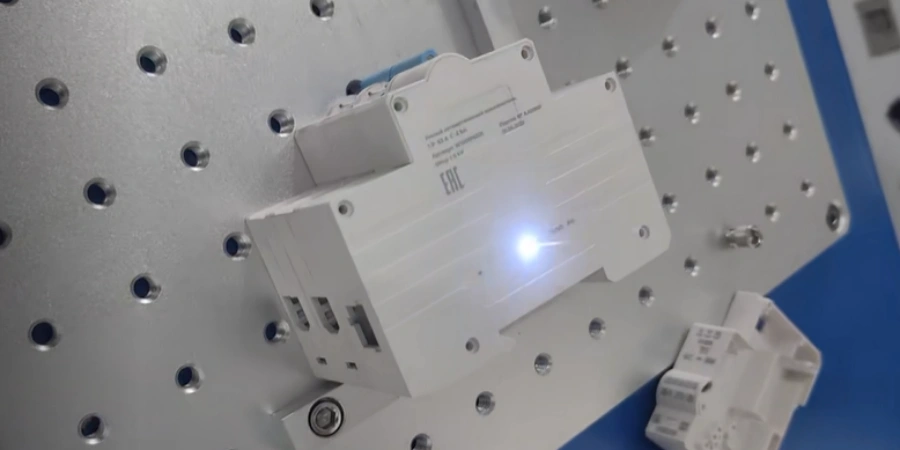
What I’d suggest if you’re starting from nothing: bring whatever direction you have, even if it’s just a design reference or a competitor product you like, and let the conversation with your supplier fill in the gaps.
A factory that’s genuinely set up for private label work will treat this as a normal part of onboarding a new brand, not an inconvenience.
| What You Bring | What the Supplier Fills In |
|---|---|
| Rough color/style direction | Technically feasible options within budget |
| Reference product or competitor look | Adjustments to avoid patent overlap |
| General model naming preference | Laser marking setup, file formatting |
| Nothing at all | Guided design conversation from scratch |
Building a private label MCB line isn’t about reinventing circuit breaker design. It’s about knowing what’s actually customizable, what stays inside your certification, what a mold commitment really means, and where a supplier can pick up the slack when you don’t have every detail figured out yet.
Get those pieces right, and the rest of the process moves a lot faster than most first-time buyers expect.
Final Thoughts
A private-label MCB project becomes much easier when you know what needs to be customized and what does not.
For buyers, the goal is not to change everything, but to make practical choices that fit the market, budget, and requirements. A clear starting point can save time, reduce unnecessary costs, and avoid problems later.