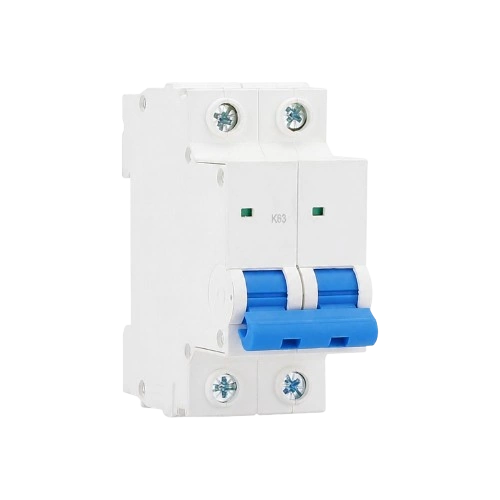
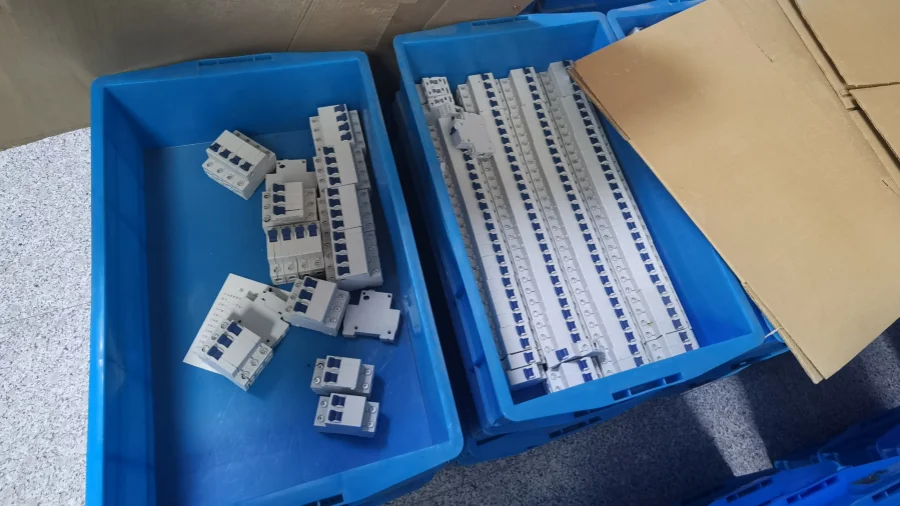
A K Curve MCB is like any other MCB—except for one thing: the calibration that decides when it trips. And that one difference changes everything.
Some people might wonder: if D Curve already covers the 10–20× In range, why do we need K Curve at 10–14× In? The short answer: they serve different types of loads, and treating them as interchangeable creates a protection gap.
D Curve was built for intermittent, extreme current spikes—welding equipment, UPS systems, X-ray machines. Its philosophy is wide tolerance, trading off some protection precision to avoid nuisance tripping in unpredictable environments.
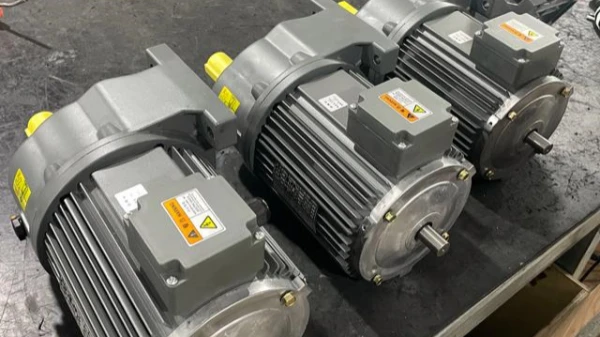
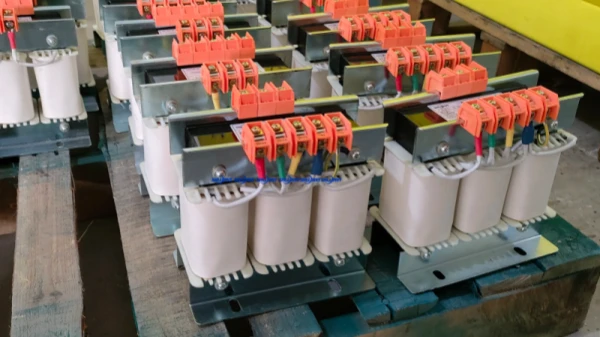
K Curve was built for predictable, repetitive inrush—motors, compressors, transformers that start and stop routinely. Its narrower window (10–14× In) means it tolerates the startup surge just enough, then trips quickly when a genuine overload occurs during running.
The overlap in the spec sheet can be misleading. Put a D Curve on a motor, and you get tolerance—but the protection gets dull. Put a K Curve on a welder, and it trips when it shouldn’t. They are not alternatives—they are tools for different jobs.
K Curve exists because D Curve is a generalist. And motors need a specialist.