
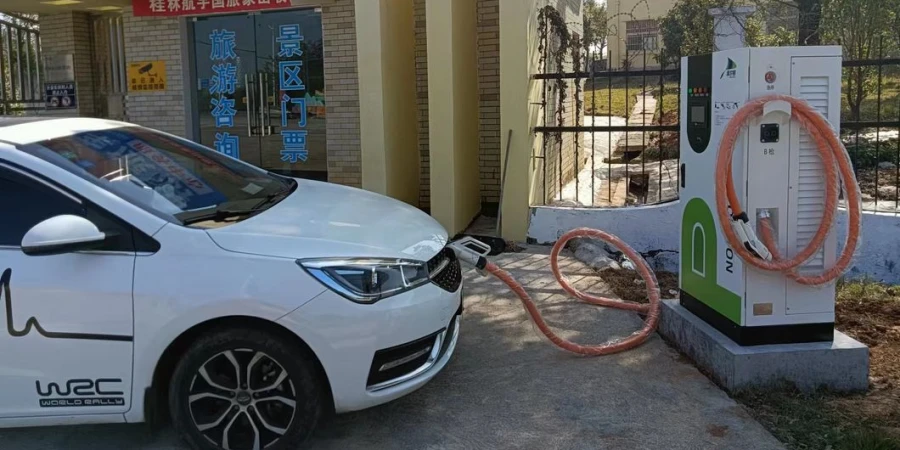
Over the past few years, DC products have become increasingly popular, and we have clearly seen this change. We are receiving more and more inquiries about DC products, and DC is no longer a niche market. It is becoming an increasingly important part of our business.
This change is also clear on the manufacturing side. I know some manufacturers that now focus only on DC products. The reason is simple: competition in traditional AC products is extremely intense, with prices becoming more transparent and profit margins getting smaller. DC products, on the other hand, are less competitive and offer better profit margins.
But why has DC started gaining attention again in recent years? What has changed to bring this once less popular technology back into the spotlight?
Generation and Storage Are Becoming More DC-Native
One reason DC is receiving more attention is that more electricity is now being generated and stored in DC form.
Solar panels generate DC power, while batteries also store energy as DC. In a traditional AC-based system, this power often needs to be converted between DC and AC before it reaches the grid or a load. As solar generation and battery storage become more common, these conversion steps are becoming a more visible part of system design.
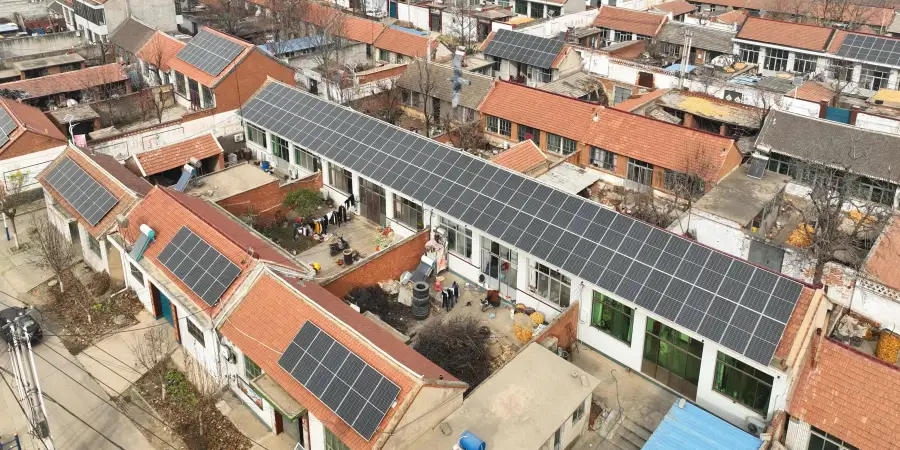
This is creating greater interest in DC architectures, particularly in applications that combine solar generation, battery storage, and DC loads. A DC system can connect these components more directly, potentially reducing unnecessary power conversions and associated losses. ABB: How direct current will power the energy transition
DC microgrids are one example. In commercial buildings, industrial facilities, and solar-plus-storage projects, they can provide a way to keep more of the power in its original DC form rather than repeatedly converting between AC and DC.
Modern Loads Are Becoming More DC-Based
The shift toward DC is not happening only on the generation side. Many of the devices and systems consuming electricity today are also increasingly DC-based internally.
Computers, servers, LEDs, smartphones, networking equipment, electric vehicles, and many industrial systems all rely on DC power at some stage. Even when these devices are connected to an AC electrical system, their internal electronics typically convert AC to DC before the power can be used. Schneider Electric – The rise of DC: Why the future of electrical distribution requires action now
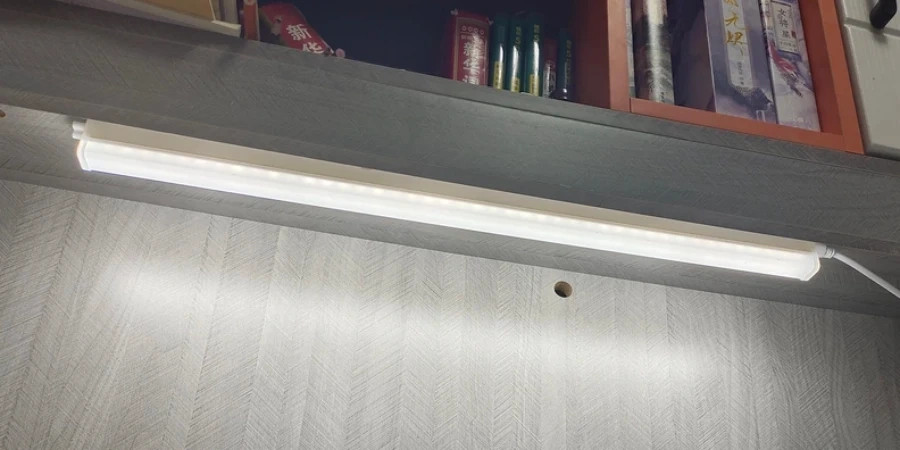
This creates an interesting mismatch. The power system may distribute electricity as AC, while both the source of the electricity and the equipment using it may be DC-based. As the number of these loads grows, the role of repeated AC-to-DC conversion becomes more important when designing an efficient electrical system.
This is one reason direct DC distribution is attracting renewed interest. Where both the power source and the load are already DC-based, keeping power in DC for longer can reduce the number of conversion stages.
The trend is particularly visible in data centers and other high-density electronic environments. Servers and IT equipment ultimately operate on DC internally, while the facility itself is traditionally supplied through an AC distribution system. As computing power and electrical demand increase, reducing unnecessary conversion losses becomes more valuable.
Electrification and AI Are Making Efficiency More Important
The growing use of DC would be less significant if electricity demand were staying relatively stable. But that is no longer the case. Electrification is increasing power demand across transportation, buildings, industry, and digital infrastructure, making energy efficiency more important than before.
Electric vehicles, heat pumps, industrial electrification, and large-scale computing are all adding new electrical loads. At the same time, renewable generation and battery storage are expanding. As more electricity flows through power electronics, every additional conversion stage can become more significant from an efficiency and system-design perspective.
This is where the growing interest in DC becomes more practical. When power generation, storage, and loads are increasingly DC-based, improving the efficiency of the conversion chain becomes a more meaningful part of system design. ABB notes that supplying DC loads directly or improving converter efficiency can save 15–20% of total energy losses in some building applications. ABB: Direct current solutions for building applications
AI Data Centers Are Raising the Stakes
Data centers provide a particularly visible example of this trend. The rapid growth of AI is driving higher computing power and greater power density, putting more pressure on both electrical infrastructure and cooling systems.
Data center IT equipment ultimately relies on DC power, while the facility is traditionally supplied through an AC distribution system. As power demand increases, the efficiency of the conversion chain becomes more important. This is one reason higher-voltage DC architectures, including 380 VDC and emerging 800 VDC approaches, are receiving increasing attention in next-generation data centers.
The broader point is not that AI will make DC the new standard everywhere. Rather, AI and electrification are increasing the value of every efficiency improvement. As electrical systems become more power-intensive, reducing unnecessary conversions becomes a more meaningful design consideration.

This is helping move DC from a specialized technology toward a more serious option for applications where generation, storage, distribution, and loads are increasingly DC-based.
DC Technology Is Becoming More Practical
The growing interest in DC is not only driven by changes in energy generation and electricity demand. Another important factor is that the technology needed to build and protect DC systems is becoming more mature.
Power electronics have made it easier to convert, control, and regulate DC power at different voltage levels. At the same time, DC-specific protection and distribution equipment has continued to develop, including circuit breakers, switchgear, surge protection devices, monitoring systems, and other components designed for DC applications.
This is important because DC systems present some technical challenges that cannot simply be addressed by using equipment designed for AC. For example, DC current does not naturally pass through zero as AC does, making DC fault interruption more demanding. As a result, circuit breakers and other protection devices require designs specifically suited to DC applications.
Standards are also developing alongside these technologies. IEC 60898-3, for example, specifically covers circuit-breakers for DC operation in household and similar installations, while IEC 60947-2 includes requirements for circuit-breakers used in low-voltage systems up to 1,500 V DC.
As manufacturers, system integrators, and standards organizations gain more experience with DC distribution, the range of available products and established design practices continues to expand.
The result is a gradual shift in the role of DC. It is no longer limited to specialized applications such as telecommunications or certain industrial and power systems. With more mature power electronics, protection technologies, standards, and commercially available equipment, DC is becoming a more practical option for applications where its advantages make sense.
This does not mean that DC is automatically a better choice than AC. The right architecture still depends on the application, voltage level, loads, protection requirements, and overall system design. What has changed is that there are now more situations in which DC can be considered as a realistic part of the solution.
DC Is Not Replacing AC
The growing interest in DC does not mean that AC is becoming obsolete. In fact, AC remains the dominant form of electricity distribution in utility grids, commercial buildings, and most existing electrical infrastructure.
One major reason is that AC systems are already deeply established. Power grids, transformers, distribution equipment, wiring systems, and electrical standards have been developed around AC for decades. Replacing this infrastructure simply because more applications are becoming DC-based would rarely be practical or economical.
AC also remains well suited to many applications. It is highly practical for conventional power distribution, especially where electricity needs to be transmitted and distributed across established grid networks. For many buildings and industrial systems, continuing to use AC also avoids the cost and complexity of redesigning existing electrical infrastructure.
The growing role of DC is therefore better understood as an expansion rather than a replacement.
DC makes particular sense when the power source, storage system, and load are already DC-based, or when reducing conversion stages provides a meaningful efficiency or system-design advantage. In other situations, AC may remain the simpler and more economical choice.
This means the future of electrical distribution is unlikely to be purely AC or purely DC. Instead, different parts of the electrical system may use whichever architecture is most suitable for the application.
As DC generation, storage, loads, and power electronics continue to expand, the boundary between AC and DC systems may become more flexible. Rather than asking whether DC will replace AC, a more useful question is where DC can provide a practical advantage alongside the existing AC infrastructure.
Final Thoughts
DC is not new. It was once pushed aside as AC became the foundation of modern power systems. But as the electrical landscape changes, DC is finding new places where it makes sense again.
The lesson is simple: use the right technology in the right place. The material world is that simple. A technology once left behind can always come back when the conditions change.